



Pakistan Urges Restraint at UNSC Over Hormuz Crisis for regional peace
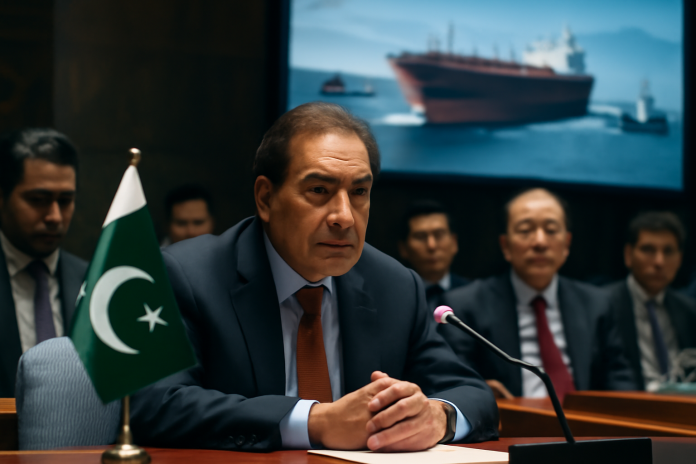
As the Strait of Hormuz becomes a focal point of global tension, Pakistan’s voice at the United Nations has stressed one clear message: restraint, dialogue, and a push for de-escalation. The crisis at the world’s most important energy chokepoint threatens not only regional stability but the everyday economics of millions in South Asia, including Pakistan. The Express Tribune reported that Pakistan’s permanent representative, Ambassador Asim Iftikhar Ahmad, used a Security Council meeting on April 7, 2026 to call for calm and civilian-safe maritime passage. He underscored that any widening of the conflict could spill over far beyond the Gulf, affecting energy supply chains and economic activity worldwide.
Why Hormuz matters to Pakistan
The Strait of Hormuz handles a large share of global oil and gas; any disruption leads to higher prices, inflation, and uncertainty. For Pakistan, with growing energy needs and a large population, affordable energy is essential. The disruption can increase shipping costs, affect fuel prices, and trigger supply chain shocks that reach Pakistani households and industries. Pakistan supports free navigation and safe passage through Hormuz and calls for proportional responses that avoid civilian harm.
Pakistan at the United Nations
Amb. Ahmad highlighted a five-point roadmap developed with China, showing a coherent plan to end hostilities and stabilise the corridor. He also noted Pakistan’s active diplomacy, including high-level talks hosted within Pakistan with Egypt, Saudi Arabia, and Türkiye. He cited a Beijing meeting with Wang Yi where Pakistan and China publicly proposed a framework to end the conflict, garnering broad international support for de-escalation efforts. The diplomat urged the Council to back restraint and to leave space for dialogue, diplomacy, and confidence-building measures, warning that failure to do so could lead to wider regional and global disruption.
What is happening in the Security Council
The public discourse in the Council is split. China and Russia vetoed a Bahraini-drafted resolution that would have coordinated efforts to secure shipping through Hormuz. This veto reflected the fault lines in how to respond to the crisis, with different visions for enforcement, mediation, and risk management. The veto shows how geopolitics complicates collective action, even as the world watches the Hormuz chokepoint. It also highlights the need for patient diplomacy and realistic steps to prevent missteps that could escalate tension.
Pakistan’s diplomatic toolbox
- Five-point roadmap with China aimed at de-escalation and safe passage for civilian ships
- Active regional diplomacy: Pakistan-hosted consultations with Egypt, Saudi Arabia and Türkiye
- Public framework proposals presented in Beijing through Wang Yi discussions
- Calls for restoring normal maritime traffic and protecting energy markets
- Continued engagement with partners in the Gulf and the wider international community
What this means for Pakistan and everyday life
Energy security is central to Pakistan’s everyday life and economic health. Any disruption at Hormuz could ripple through fuel prices, electricity generation, and the costs of imports. The government and importers watch the situation closely, while policymakers stress that diplomacy must take the lead over force. Pakistani consumers and businesses should expect ongoing media coverage and rapid update of any developments, particularly if shipping routes face delays or insurance costs rise. The resilience rests in diversified energy sources, efficient distribution, and continued international cooperation to keep maritime lanes open.
Conclusion: A hopeful path forward
Pakistan’s stance at the UN demonstrates a practical approach to a fragile situation: prioritize restraint, push for dialogue, and support international efforts that reduce risk to civilians and the global economy. The Hormuz crisis tests global diplomacy and shared responsibility. By keeping channels open with China, Gulf partners, and other major players, Pakistan believes a peaceful, negotiated outcome is possible. The coming days will be important for how the international community coordinates its response and how effectively it can preserve energy security while avoiding further escalation.