




Introduction:
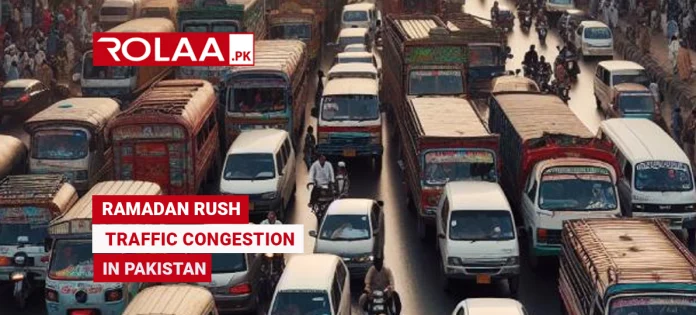
As the holy month of Ramadan approaches, Pakistan braces itself not only for spiritual reflection and communal gatherings but also for a notable increase in traffic congestion during rush hours. The combination of fasting, prayer schedules, and the rush to reach home for Iftar contributes to a unique set of challenges on the country’s roads. This article delves into the dynamics of rush hour traffic during Ramadan in Pakistan, examining its causes, impacts, and potential solutions.
Causes of Rush Hour Traffic During Ramadan:
- Timing of Iftar: With the call to break the fast (Iftar) typically occurring around sunset, roads witness a surge in traffic as individuals rush to reach their homes or designated venues for the evening meal.
- Taraweeh Prayers: The additional evening prayers (Taraweeh) during Ramadan extend the time spent at mosques, leading to a delayed return home for many worshippers.
- Altered Work Hours: Some businesses and government offices adjust their operating hours during Ramadan, resulting in more vehicles on the roads simultaneously as people leave work earlier.
- Social Gatherings: Ramadan encourages gatherings with family and friends for Iftar meals, prompting individuals to navigate through traffic to reach these engagements.
Impacts of Congestion:
- Delays and Frustration: The heightened congestion leads to delays for commuters, causing frustration and impatience among drivers and passengers alike.
- Economic Costs: Traffic congestion during Ramadan can have economic repercussions, as time lost in traffic translates to productivity losses for businesses and increased fuel consumption.
- Safety Concerns: The increased volume of vehicles on congested roads raises concerns about road safety, with a higher risk of accidents and collisions.
- Environmental Impact: Prolonged idling in traffic exacerbates air pollution and contributes to environmental degradation, especially in urban areas already grappling with air quality issues.
Potential Solutions:
- Public Awareness Campaigns: Educating the public about the anticipated traffic congestion during Ramadan and encouraging alternative transportation modes or staggered travel times could help alleviate the problem.
- Infrastructure Improvements: Investing in infrastructure projects aimed at enhancing road capacity, implementing intelligent transportation systems, and optimizing traffic flow could mitigate congestion.
- Flexible Work Arrangements: Encouraging employers to offer flexible work hours or telecommuting options during Ramadan could reduce the number of vehicles on the road during peak hours.
- Public Transport Enhancements: Improving public transportation services, including frequency and coverage, could incentivize more people to use buses, trains, or metro systems instead of private vehicles.
- Community Engagement: Collaborating with local communities, religious leaders, and organizations to promote responsible driving behaviors and considerate road etiquette during Ramadan can foster a culture of safety and cooperation on the roads.
Conclusion:
Traffic congestion during rush hours in Pakistan is exacerbated during the holy month of Ramadan due to the combined factors of fasting, prayer schedules, and social gatherings. While addressing this issue requires a multifaceted approach involving public awareness, infrastructure improvements, and community engagement, proactive measures can help alleviate congestion and ensure safer, more efficient travel for all during this significant time of the year.