



Pakistan Hosts US-Iran Peace Talks as Gulf Ceasefire Stays Fragile
Diplomatic moment in Islamabad
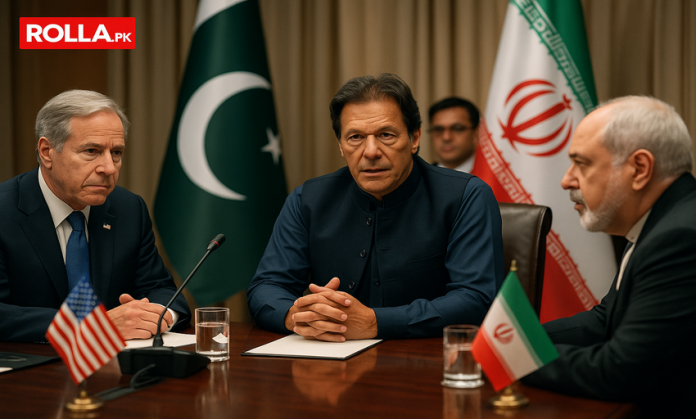
Pakistan sits at the center of a growing diplomatic push as Gulf tensions linger and a two-week US-Iran ceasefire holds, at least for now. Islamabad will host peace talks on Friday, inviting both the United States and Iran, a move that could shape regional stability and Islamabad’s diplomatic clout.
Regional dynamics and NATO signals
Yet the ceasefire has paused big battles rather than erased nerves across the Gulf. NATO members signal readiness to bolster Hormuz security, while US officials stress that forces will stay near Iran until a real agreement is honored. The market senses cautious optimism amid persistent risks.
Why it matters for Pakistan
For Pakistan, hosting talks is practical and symbolic; it gives Islamabad a platform to press for de-escalation and to safeguard energy routes that Pakistan depends on for imports and growth. A successful peace process could reduce volatility, lower fuel costs, and protect jobs tied to regional trade.
Shipping routes and costs
The article notes Iran plans to route ships through alternate channels due to mine risks in the main corridor of the Strait of Hormuz. That shift adds costs and delays, affecting Pakistan’s imports and exports, which rely on steady energy and commodity shipments.
Kuwait and Gulf security in perspective
Kuwait’s reported air-defense activity against drones points to a security environment that is far from calm. While diplomacy proceeds, Gulf states see spillover risks in Lebanon, proxies, and shipping lanes, reminding Pakistan that regional stability depends on credible restraint and enforcement.
Pakistan’s mediation and regional influence
Islamabad’s role as a potential mediator gives Pakistan a chance to voice concerns about escalation, proxies, and humanitarian impact. The talks offer a channel to push for confidence-building steps, verification, and transparent dialogue, while reassuring Pakistanis that their economic and security interests are being considered.
Public sentiment and markets
In Pakistan, people watch daily headlines with a mix of guarded hope and anxiety. If the talks yield real de-escalation, markets may stabilize, energy prices could ease, and small businesses relying on imports would feel relief, while uncertainty could renew if negotiations stall.
Regional message for ordinary Pakistanis
This moment isn’t just about headlines. It’s about calmer borders, reliable fuel supplies, and a chance for Pakistan to expand regional trade with partners who value stability. If diplomacy succeeds, it could reduce disruptions at the port and lower freight costs in coming months.
Long-term implications for Pakistan
If Islamabad sustains this mediation momentum, Pakistan could gain a more influential voice in regional security and energy discussions. However, leaders will need to balance diplomacy with domestic economic reforms, inflation control, and public expectations for stable prices and jobs as global markets respond to Gulf news.
Bottom line and next steps
The Islamabad talks arrive at a time when ordinary Pakistanis crave stability more than ever. If diplomacy yields real de-escalation and predictable energy flows, it could translate into lower prices, calmer streets, and renewed hope for growth. The world will be watching Pakistan’s next move closely. Source: Gulf News – https://gulfnews.com/world/us-iran-ceasefire-trump-holds-forces-near-iran-as-talks-move-to-pakistan-1.500500887