



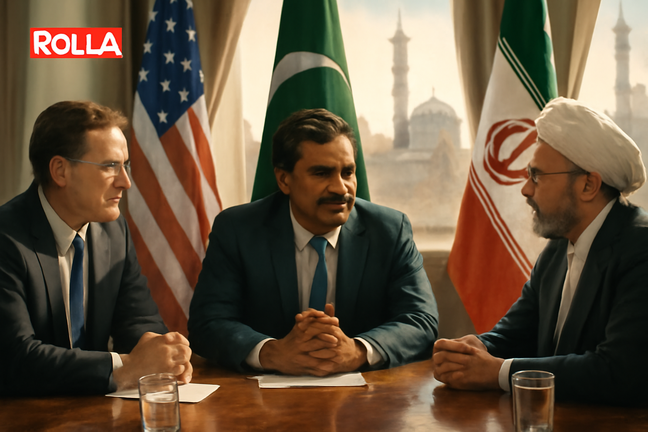

Pakistan’s Quiet Mediation Sparks US-Iran Ceasefire
In a world of loud headlines, Pakistan’s quiet diplomacy is starting to shape a bigger story. A recent Al Jazeera feature highlighted Islamabad’s central role in brokering a temporary ceasefire between the United States and Iran. For Pakistanis watching foreign policy, this is a moment to notice how backchannel talks can influence regional security, energy markets, and the way great powers see smaller states.
How did Pakistan pull this off? The report describes a multi-layered effort centered in Islamabad, where civilian leadership and the military establishment worked together with Washington and Tehran. A broader, quadrilateral diplomacy track formed with Saudi Arabia, Turkey, and Egypt, helping to align positions and deconflict demands before formal talks. Within this web, Pakistan reportedly facilitated direct channels between the United States and Iran, creating space for negotiations even as fighting continued elsewhere in the region.
Key specifics, as reported, include a 15-point US proposal conveyed to Iran by Pakistani intermediaries, followed by a 10-point Iranian counteroffer. The narrative also highlights the involvement of General Asim Munir, Pakistan’s army chief, described as a pivotal connector with access to different sides of the conversation. President Trump publicly credited Pakistan for pressuring both sides to pause, a signal that Islamabad’s quiet diplomacy is being noticed at the highest levels. The exchange of ideas, these accounts suggest, occurred with a careful balance of discretion and media savvy, aiming to avoid the appearance of grand public mediation while laying the groundwork for future talks.
What does this mean for Pakistan and the region? First, a temporary ceasefire reduces the risk of a broader regional escalation and creates a window for diplomacy that could recalibrate long-standing tensions. The report notes that easing hostilities could also influence energy markets, with talk of reopening the Strait of Hormuz and a softening of oil prices in the immediate aftermath. Second, it signals an expanded diplomatic footprint for Pakistan. Islamabad’s ability to host and coordinate talks among major powers positions Pakistan as a credible hub for de-escalation in future crises, not just a spectator on the sidelines. The emphasis on a multi-track approach—backchannel talks, formal channels, and regional partners—offers a template for strategic diplomacy that resonates in Pakistan’s security-conscious environment.
However, the piece also cautions that the ceasefire remains temporary and fragile. There are lingering questions about long-term governance, sanctions relief, and broader regional arrangements, including Lebanon. This means Pakistanis should view the development as a promising but incomplete milestone. Sustained engagement will be essential, and Islamabad’s continued diplomatic balancing act—between public messaging and private diplomacy—will likely shape how durable any settlement proves to be.
What readers can take away is clear: small and mid-sized powers can influence big-power dynamics through steady, principled diplomacy. Pakistan’s example shows that patient, multi-layered talks can open doors, reduce immediate risk, and enhance national influence without resorting to loud posturing. For students of international relations, policymakers, business people, and ordinary citizens, the episode offers a practical lesson in how peace processes are built—step by step, behind the scenes, with a careful mix of pressure and persuasion.
As Pakistan continues to watch the follow-up talks, the focus will be on whether the US and Iran translate this pause into a broader framework for dialogues that address security, energy, and humanitarian concerns. If Islamabad can keep the momentum and ensure clear, accountable progress, the country may well strengthen its role as a credible mediator in a volatile region.