



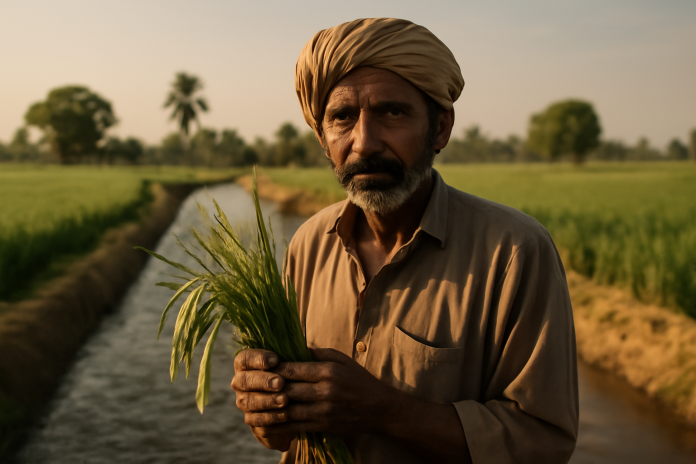

IRSA Confirms 15% Kharif Shortfall: What It Means for Pakistan
The Indus River System Authority IRSA Advisory Committee has approved a 15 percent shortfall for Early Kharif 2026 and a 5 percent shortfall for Late Kharif. The total water available for the season is set at 67.451 million acre feet (MAF), signaling tighter reservoir storage and variable river inflows as the irrigation season begins. This decision, though technical, will affect farmers, cities and power generation across Pakistan. The move reflects ongoing challenges in water management as climate patterns shift and storage remains under pressure.
Key numbers you should know
Early Kharif shortfall: 15 percent from April 1 to June 10. Late Kharif shortfall: 5 percent. Provincial shares for Kharif 2026 are Punjab 33.357 MAF, Sindh 30.403 MAF, Khyber Pakhtunkhwa 0.823 MAF, and Balochistan 2.868 MAF. Inflows at the Rim station are projected at 103.30 MAF for the season, with 24.48 MAF allocated to Early Kharif and 78.81 MAF to Late Kharif. For Rabi 2025–26 (Oct–Mar) inflows reached 21.782 MAF, slightly below the anticipated 22.016 MAF, while Tarbela Dam’s live storage stood at about 2.307 MAF as of March 31, 2026. The ongoing Tarbela mega projects T4 and T5 add to these dynamics, shaping future water availability.
What this means on the ground
For farmers, the 15 percent early shortfall means less water during the crucial April–June window when sowing and initial crop growth determine yields. Crops that typically need reliable irrigation, such as rice in Sindh and cotton in Punjab, face higher risk of stress if rainfall is insufficient or if canal releases are delayed. Households could also feel the ripple effects through potential price shifts for water, seeds, and farm inputs. The provincial allocations show most of the water going to Punjab and Sindh, with far smaller shares for the western provinces, which may influence sowing patterns in those regions as well.
Impact on crops and markets
With limited early season water, farmers may adjust sowing dates, switch to drought-tolerant varieties, or prioritize crops that require less water upfront. In Punjab and Sindh, where irrigation demand is highest, farmers may intensify water budgeting and scheduling to maximize efficiency. Markets could see volatility in water-related inputs and in crop prices if shortages persist or if delays in canal releases disrupt harvest timings. This situation underscores the interconnectedness of water policy, farming livelihoods, and consumer prices in Pakistan.
Storage, inflows, and policy outlook
The 67.451 MAF total for Kharif 2026 reflects tighter reservoir storage amid mixed river inflows. Rim inflows of 103.30 MAF, along with the split between Early and Late Kharif needs, suggest a heavier reliance on timely releases and reservoir management. Tarbela Dam’s live storage at 2.307 MAF indicates room for strategic releases, but ongoing projects T4 and T5 are essential to future capacity. Authorities have signaled that the early-season shortfall will be reviewed in the first week of May 2026, signaling ongoing monitoring and potential adjustments based on hydrological conditions. For farmers and policymakers, this means staying alert to IRSA notices and adjusting plans as inflows and releases evolve.
Practical tips for farmers and communities
- Water budgeting: Prioritize crops with lower water needs during the Early Kharif window and align sowing with predicted inflows.
- Improve irrigation efficiency: Use drip or sprinkler systems where feasible, mulch to reduce evaporation, and fix leaks in canals and fields to save water.
- Crop diversification: Consider drought-tolerant varieties and shorter-duration crops that fit the available water window.
- Plan for late-season water: Since Late Kharif carries a smaller shortfall, reserve management strategies for Sept–Nov when inflows may rise.
- Engage local extension services: Farmers should consult district agriculture offices for tailored advice on irrigation schedules and region-specific crops.
What readers in Pakistan can do
Water is a shared resource, and the shortfall calls for community-level conservation and smarter planning. Citizens can support sustainable water use by fixing leaks at home, reporting water waste, and supporting local watershed initiatives. Policy watchers should follow IRSA briefings and provincial allocations to understand how water is distributed this season and how future projects may change the balance. While the challenges are real, informed farming and prudent water management can help communities weather the lean periods with less disruption to livelihoods and food security.
Conclusion
The 15 percent early Kharif shortfall announced by IRSA reflects the tough reality of water management amid changing climate and growing demand. For Pakistan, the key is timely information, adaptive farming, and prudent reservoir management. By staying informed, farmers and communities can adjust practices, protect crops, and sustain livelihoods even when water supplies are tighter than planned. The coming weeks will be crucial as IRSA reviews inflows and makes necessary adjustments to allocations, ensuring that both agricultural needs and power generation are balanced to the best possible extent.