



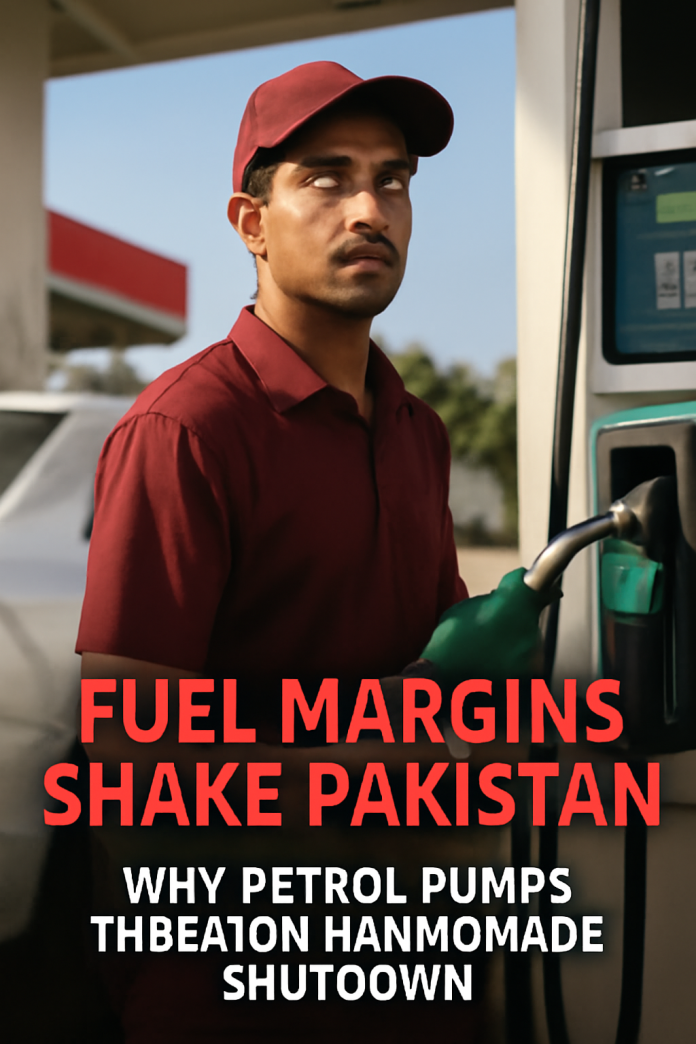

Fuel Margins Shake Pakistan: Why Petrol Pumps Threaten a Nationwide Shutdown
Pakistan is watching a brewing dispute that could ripple through daily life: the country’s petrol pumps are threatening a nationwide shutdown over commissions. The Pakistan Petroleum Dealers Association PPDA and the All Pakistan Petrol Pump Owners Association APPPOA say margins are not enough to cover the rising costs of running retail outlets. They are pushing for a higher commission on the invoice price, arguing that the current margins erode profitability for around 14,000 to 15,000 petrol pumps across the country.
What is the dispute about
In simple terms the retailers want a larger slice of the sale. They are asking for an 8 percent commission on the invoice price and for the margins to rise as fuel prices move up. The argument is that current margins do not cover basic operating costs such as staff, buildings, security, inventory handling, and the ongoing taxes. With margins squeezed, many pumps fear losses that could threaten service continuity.
Why now
The push comes during a period of price volatility. Earlier in the week the government took a major step by reducing the petroleum levy by Rs 80 per litre in a bid to cool prices. Retailers say this drop does not help them enough because other costs and taxes keep cutting into margins. There are additional concerns about smuggling and hoarding by other players in the oil market, which some claim is squeezing legitimate retailers. Reports also point to regional price differences, with concerns that cheaper Iranian fuel and other market dynamics affect local margins.
What it could mean for you
If a nationwide shutdown happens or if protests intensify, consumers could face longer queues, tighter fuel supplies, and sticky prices. Transportation costs impact daily life, from commuting to the school run and deliveries that keep groceries moving. For traders and small businesses, higher or uncertain fuel costs can raise the price of goods and services. While the government has already tried to ease the burden with a levy cut, the overall market uncertainty can still reflect in price swings and supply gaps.
What could help
Resolving the dispute may require a balanced approach. Potential steps include a transparent review of margins for petrol pumps, ensuring that margins are fair and sustainable without blocking access to fuel. Authorities could also speed up enforcement against hoarding and smuggling, alongside measures to stabilize prices through predictable taxation and subsidies. Open dialogue between the government, retailers, and consumer groups can help reach a practical agreement that protects both consumers and small businesses while ensuring steady fuel supply.
What readers can do
- Stay informed via official notices and credible news outlets about any fuel supply disruptions.
- Plan purchases to avoid shortages during peak times and be mindful of fuel economy to stretch every litre.
- Encourage responsible discussions online and offline to reduce panic and misinformation.
- Support transparent pricing and fair margins by engaging with consumer groups and local representatives.
Conclusion
The petrol pump commission dispute highlights a real tension in Pakistan between business viability for small retailers and the needs of everyday consumers. While no one wants disruptions in fuel supply, it is essential that any solution protects the wallet of the average Pakistani while keeping fuel stations open and prices stable. If a negotiated outcome is reached, the country could see a more sustainable approach to margins that still keeps petrol affordable and available for all.