



Introduction:
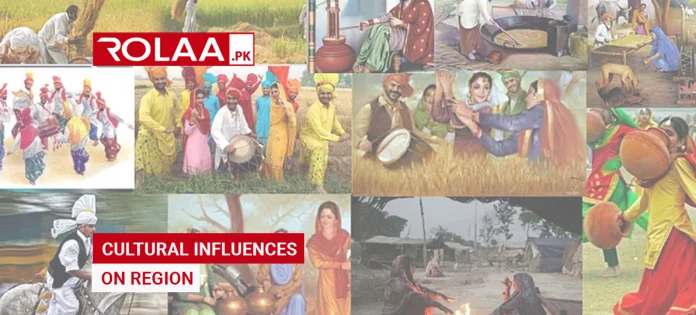
Pakistan’s educational landscape is intricately intertwined with its cultural fabric, evolving through centuries of historical legacies and regional influences. From ancient centers of learning to contemporary classrooms, education in Pakistan reflects a nuanced interplay between traditional values and modern demands. This article examines the profound cultural influences shaping education across Pakistan, analyzing how societal norms, language dynamics, gender roles, socioeconomic factors, religious beliefs, and globalization impact educational practices in the region.
Historical Foundations:
- Education in Pakistan draws from ancient civilizations such as the Indus Valley, with rich traditions of learning and knowledge dissemination.
- Islamic influences, dating back to the medieval period, have deeply influenced educational practices, particularly through Quranic education and the establishment of madrasas.
- Colonial rule introduced Western-style education systems, laying the groundwork for modern educational institutions in Pakistan.
Language Dynamics and Cultural Identity:
- The language debate, notably between Urdu and regional languages, profoundly influences educational policies and practices.
- While Urdu serves as the national language, regional languages like Punjabi, Sindhi, Pashto, and Balochi carry significant cultural importance and serve as mediums of instruction in some regions.
- Efforts to promote multilingual education aim to preserve cultural diversity and enhance learning outcomes by incorporating mother tongues into the curriculum.
Gender Equity and Access:
- Cultural norms and societal expectations often result in gender disparities in education, with boys traditionally favored over girls in access to schooling.
- Advocacy for girls’ education has gained momentum, challenging traditional gender roles and advocating for equal opportunities in education.
Socioeconomic Disparities:
- Socioeconomic status strongly influences access to quality education, with marginalized communities facing significant barriers such as poverty, lack of infrastructure, and child labor.
- Attitudes towards education vary across socioeconomic strata, with some prioritizing education as a pathway to social mobility while others emphasize vocational training or traditional skills.
Religious Influence:
- Islam plays a central role in shaping educational practices and curriculum content, reflecting Pakistan’s identity as an Islamic republic.
- Islamic studies are integrated into the curriculum at all levels of education, while madrasas continue to provide religious education alongside mainstream schooling.
Modernization and Globalization:
- Globalization and technological advancements are reshaping educational paradigms, emphasizing digital literacy, STEM education, and English proficiency.
- However, tensions between traditional values and modern educational reforms persist, necessitating culturally sensitive approaches to curriculum development and pedagogy.
Conclusion:
Education in Pakistan stands at the crossroads of tradition and progress, reflecting a dynamic interplay of cultural influences. By recognizing and addressing these cultural dynamics, Pakistan can forge a path towards inclusive and equitable educational systems that empower all segments of society. Embracing cultural diversity while embracing modernization will enable Pakistan to harness the transformative power of education for social development and economic prosperity across its diverse regions.