




Analyzing the Landscape of Internship Programs in Pakistan: Opportunities and Challenges
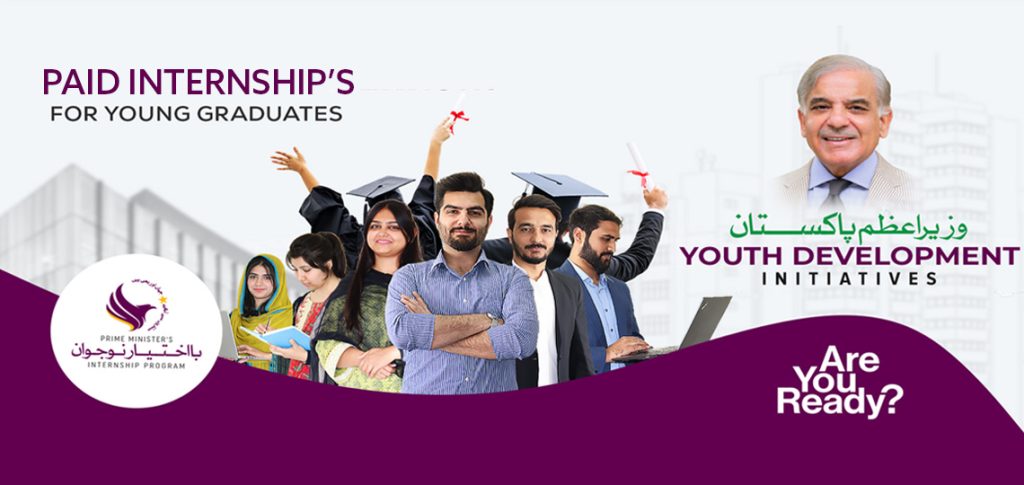
In pursuit of professional growth and skill development, recent graduates in Pakistan often turn to internship opportunities to bridge the gap between academic knowledge and real-world application. One such initiative, the Ba-Ikhtiyar Naujawan Internship Program (BNIP), stands as a nationwide effort aiming to offer paid internships to 60,000 young graduates across the country. This article delves into the structure, eligibility criteria, and experiences associated with the BNIP, examining both its potential benefits and existing challenges.
The BNIP operates through two distinct components: the Build-for-Skills Internship Program (BSIP) and the Work-for-Skills Internship Program (WSIP). These segments are tailored to equip participants with practical skills, enhance employability prospects, and foster holistic personal development. However, prospective applicants must meet specific eligibility criteria, including being aged up to 30 years, possessing a minimum of 16 years of education from an institution recognized by the Higher Education Commission (HEC), or holding a Bachelor’s qualification for candidates from flood-affected regions or backward areas of Pakistan. Additionally, the completion of the degree must have occurred within the past three years.
Internship durations within the BNIP typically range from six months to one year, providing a substantial timeframe for skill acquisition and professional growth. Despite the program’s overarching goal of youth empowerment, some participants have voiced concerns regarding the adequacy of practical skills relevant to their respective fields. Furthermore, navigating the BNIP portal has proven to be a challenging endeavor, characterized by a lack of comprehensive guidance and support.
Key Pros of the BNIP:
- Recognition of Practical Skills: The program acknowledges the significance of practical skills in enhancing graduates’ job readiness and overall employability.
- Potential for Youth Empowerment: Through its large-scale internship offerings, the BNIP holds the potential to create meaningful employment opportunities for young graduates across Pakistan.
- Focus on Professional Development: By providing structured internship experiences, the program aims to facilitate the holistic growth of participants, beyond academic qualifications.
Key Cons of the BNIP:
Lack of Comprehensive Support: Many participants have reported encountering difficulties in navigating the BNIP portal due to a dearth of guidance and support services. Accessibility Challenges: Issues related to degree attestation, police verification, and other essential tasks have hindered the seamless participation of candidates in the program. Operational Challenges: Negative experiences with BNIP centers point towards potential shortcomings in program implementation and customer service, thereby affecting the overall participant experience.
Conclusion
while the Baikhtiyar Naujawan Internship Program presents a commendable initiative aimed at fostering youth development in Pakistan, addressing the identified challenges is imperative to maximize its impact. By enhancing support services, streamlining operational processes, and prioritizing participants’ needs, the BNIP can effectively contribute to bridging the gap between academic education and professional practice, thereby empowering the nation’s youth for future success.