




Tech & Telecom (Mobile Phones, E-commerce):
EXCLUSIVE NETWORKS, A TECHNOLOGY STARTUP, MIGHT BE WORTH $2.5 BILLION IF IT GOES PUBLIC IN PARIS: The initial public offering (IPO) of Exclusive Networks has been oversubscribed, with book runners anticipating a worth of up to 2.1 billion euros ($2.48 billion). In the Euronext Paris launch next week, ordinary shares are projected to be priced between 20 and 24 euros per share, they said. The company will join a long list of companies that have debuted on the European stock market this year, with listings reaching their highest level in 14 years in the first half. The initial public offering (IPO) of Exclusive Networks includes up to 13 million shares.1 dollar is equal to 0.8468 euros.

VEHICLE COMPUTER NETWORKS ARE NOW PROTECTED BY NEW CYBERSECURITY TECHNOLOGY: New York: A group of American researchers has developed a new machine learning-based framework to increase the security of computer networks inside automobiles while preserving efficiency. In collaboration with experts from Virginia Tech, the University of Queensland, and the Gwangju Institute of Science and Technology, researchers at the US Army Research Laboratory developed a technique called ‘DESOLATOR’ to help optimise a well-known cybersecurity strategy known as the moving target defence. The in-vehicle network uses DESOLATOR to determine the appropriate IP shuffling frequency. DESOLATOR stands for deep reinforcement learning-based resource allocation and moving target defence deployment framework.

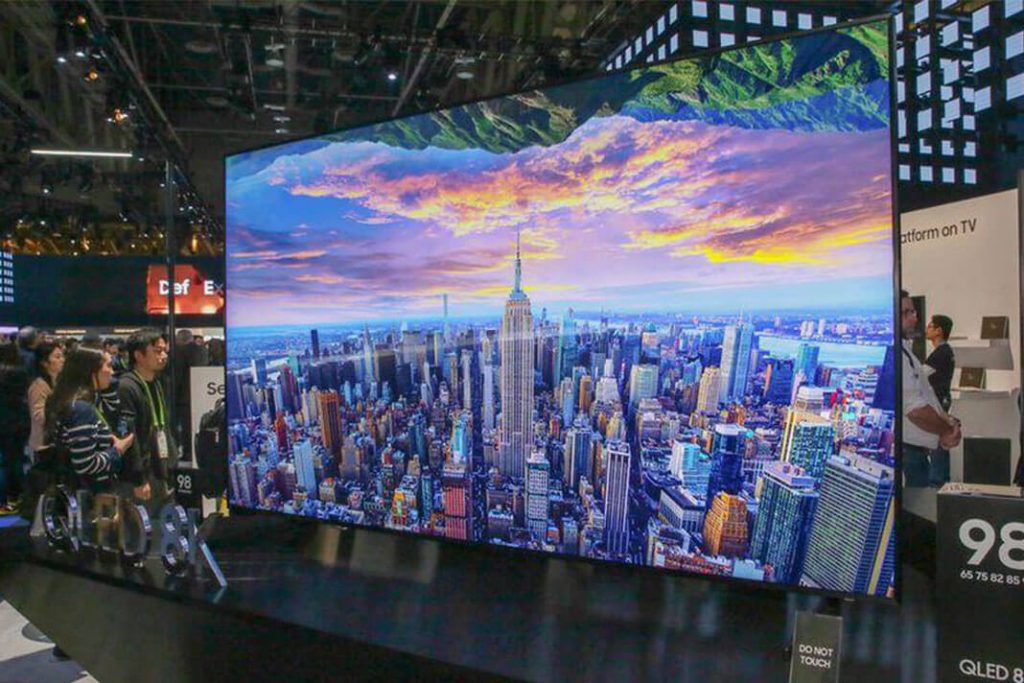
SAMSUNG DISPLAY HAS STARTED MASS-PRODUCING OLED LAPTOP PANELS WITH A REFRESH RATE OF 90 FRAMES PER SECOND: Seoul: Samsung Display stated on Thursday that mass production of laptop OLED displays with a refresh rate of 90Hz has begun, as the South Korean display company seeks to strengthen its position in the OLED panel business. Samsung Display’s 90Hz refresh rate OLED screens are featured in the latest ASUS 14-inch Zenbook and Vivobook Pro notebooks, according to the firm. A display’s refresh rate relates to how many times a new image is displayed every second. A higher refresh rate on a monitor allows for smoother, more fluid movement, but it also requires more graphics performance and electricity. “An OLED screen responds significantly faster than an LCD panel and can display a more detailed image than an LCD panel,” the company claims.