



Politics
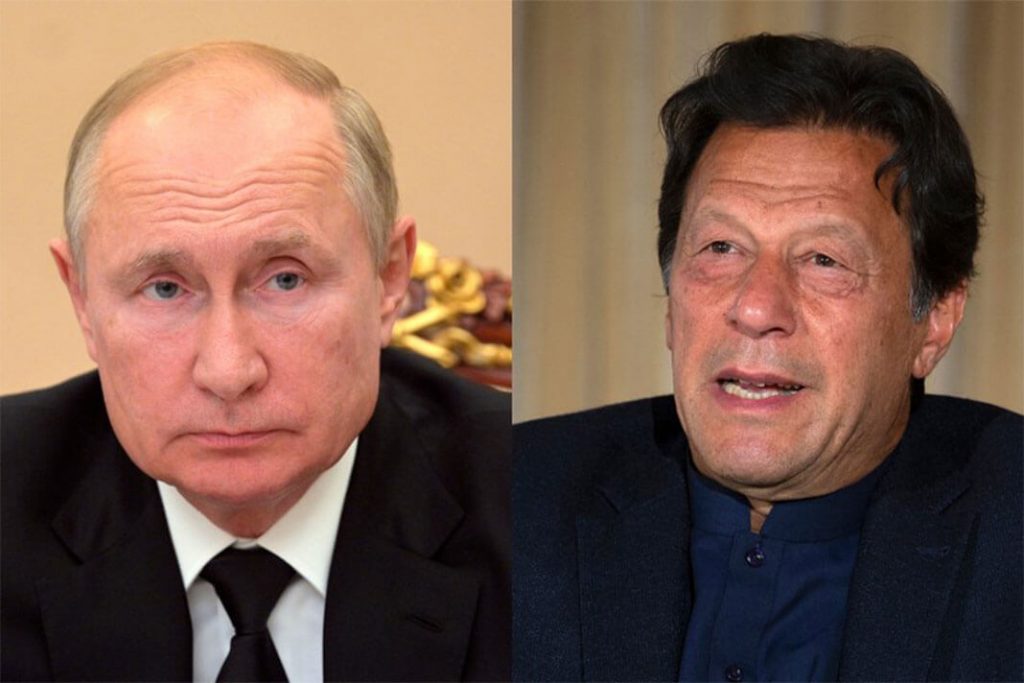
PAKISTAN AND RUSSIA WOULD ‘COORDINATE’ THEIR AFGHAN POLICIES: Pakistan’s and Russia’s leaders spoke over the phone to “coordinate” their stances on the situation in Afghanistan, according to announcements from both nations, ahead of a Shanghai Cooperation Organization (SCO) summit later this week. Russian President Vladimir Putin met with Pakistani Prime Minister Imran Khan on Tuesday, according to the comments. According to a brief Russian statement, “while exchanging perspectives on the situation in Afghanistan, both sides indicated a willingness to coordinate their efforts for the aim of stabilising the country.” “The shifting scenario in Afghanistan necessitated close cooperation and negotiations between Pakistan and Russia,” he said.
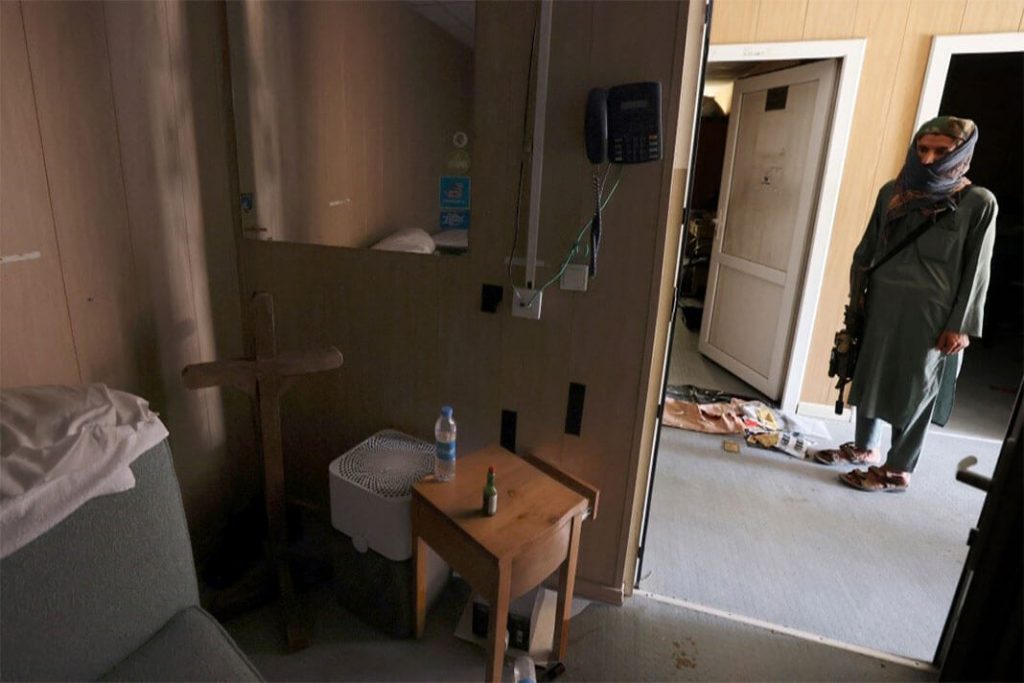
SIGNS OF US PRESENCE AT KABUL AIRPORT AFTER A MONTH OF TALIBAN CONTROL:A well-worn copy of Not a Good Day to Die, which chronicles how American soldiers nearly came undone fighting in Afghanistan in the early days of the war, may be found on a bed in a vacant United States barrack room at Kabul airport. On the table next to it are two water bottles, a few empty bullet casings, and a smoke grenade. A bottle of Tabasco hot sauce, a staple of the US military, sits on one of the shelves. A second room is filled with the odour of rotting food, as a Taliban warrior with an M16 pistol shoots photos on his phone. There are still signs of the 20-year US-led occupation, including visible confirmation of Washington’s humiliating retreat.
COVID-19-ITS IMPACT ON HIGHER EDUCATION: People and institutions all across the world have been affected by the Covid-19 pandemic. From global industrial upheavals to supply chain disruptions to a new era of work and study from home, our lives are shifting into the unknown. Schools and universities all around the world have closed their doors in compliance with the World Health Organization’s advice of social distance. Higher education institutions throughout the world are dealing with greater uncertainty, ranging from the cancellation of courses and tests to empty dorms and stalled research. A strong opponent like the new coronavirus, without a doubt, necessitates multi-pronged and comprehensive intervention from a diverse set of players. Researchers in healthcare, policy, and technology from all around the world are putting their knowledge to work every day in the hopes of cracking what may become an intractable riddle. During this moment of crisis, developing countries may benefit greatly from a multi-pronged approach that blends the fundamentals of management and business with entrepreneurship, healthcare, government, and technology. Such an approach would surely build a brighter future in the years to come across all areas of business, industry, and governance in a country like Pakistan, where more than 60% of the population is under the age of 25. As an increasing number of companies seek educational programmes that closely match the needs of modern global industry, Pakistan’s higher education sector has a once-in-a-lifetime chance. Universities must also incorporate equity-based measures, as many students may lack the necessary gadgets or internet access to complete online education. Measures to deal with possible disruptions and risks to the project’s completion.