


One Message That Tipped the Scales: Pakistan’s Quiet Mediation in US-Iran Talks
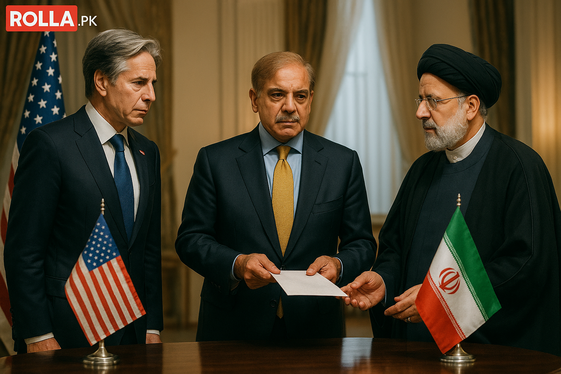
Pakistan’s role in defusing a tense standoff between the United States and Iran is drawing global attention. The Express Tribune’s April 9, 2026 report titled “One message tipped the scales” details how a crucial nudge from Islamabad helped steer the crisis toward diplomacy rather than escalation. For Pakistanis watching from home, this is a reminder that quiet, persistent diplomacy can shape the course of regional history, even when it happens behind the scenes.
Since last year, Pakistan stepped up discreet diplomacy as the conflict broadened. Washington’s entry into the Iran-Israel confrontation elevated the risk of a wider war, and Pakistan quietly used back-channel talks to keep a door open. A pivotal moment, according to officials, came after a White House meeting between US President Donald Trump and Pakistan’s Army Chief, Field Marshal Syed Asim Munir. That meeting is described as creating direct personal channels between Washington and Tehran, a development Islamabad welcomed for reducing miscommunication and miscalculation.
Pakistan then tried to shape a concrete deal. Deputy Prime Minister and Foreign Minister Ishaq Dar reportedly exchanged various proposals between Iran and the United States. The article notes that Pakistan even drafted a potential agreement offering sanctions relief to Iran in exchange for assurances against nuclear weapons development, signaling a willingness to trade sanctions relief for de-escalation. The US side insisted on tying discussions to Iran’s ballistic missile program, a demand that Tehran would not accept. As this back-and-forth continued, Oman hosted talks, and Islamabad pressed for a meeting with Iran’s Supreme Leader Ayatollah Ali Khamenei, which Tehran reportedly declined for security reasons.
With tensions simmering and regional dynamics shifting, Pakistan’s leadership continued to push diplomacy forward. Prime Minister Shehbaz Sharif and Ishaq Dar maintained a steady public and private pace, signaling readiness to explore every possible avenue. About ten days before a breakthrough appeared possible, a plan for a Tehran-Washington meeting in Islamabad surfaced but ran into a trust deficit that stalled the talks. In a late-night X post, PM Sharif signaled a possible off-ramp toward diplomacy, hinting that the path to peace remained open even as the situation remained fragile and unsettled.
So what does this mean for Pakistan and its people? A few clear takeaways emerge. First, Pakistan is showing it can play a stabilizing role in a volatile region, which can help shield its own economic and security interests. Second, diplomacy needs balance—too much secrecy can breed rumours, too little can invite misinterpretation. Third, any easing of regional tension could lower energy prices and support trade, benefiting Pakistani households and businesses. The path ahead is uncertain, but continued openness and prudent strategy by leaders will matter in the weeks to come.
Readers should stay tuned as this story develops. The episode shows Pakistan’s growing role on the global stage and its impact on everyday life back home. For a detailed read, see The Express Tribune’s report by Kamran Yousaf: “One message tipped the scales” (April 9, 2026). Source: Tribune Article.