


Project Freedom Hormuz: US Plan to Guide Ships
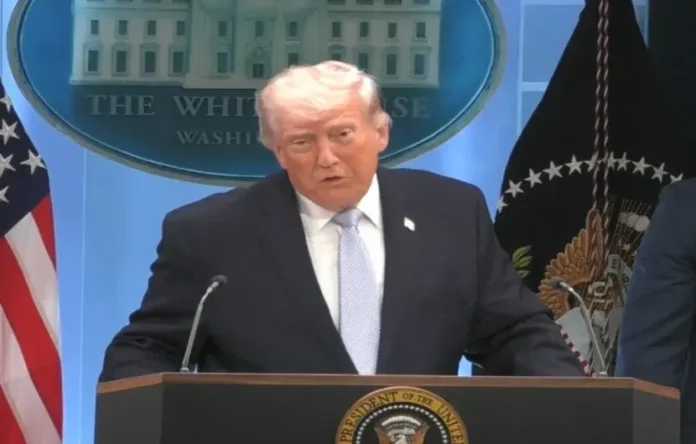
On May 4, 2026, President Donald Trump announced Project Freedom Hormuz to guide ships through the Strait of Hormuz. The plan aims to keep trade flowing amid rising Iran tensions. For Pakistan, Gulf security directly affects fuel costs, inflation, and energy policy. Officials say the approach will be phased, not a blanket navy escort.
What Project Freedom Hormuz Means for the Region
The plan envisions a careful rollout to avoid broad confrontation. It seeks to deter disruption and stabilize energy markets. Observers say the move could reshape regional calculations and security postures.
Reactions from UAE and Iran
An Iranian official disputed U.S. claims that six small boats were sunk near the Strait of Hormuz. The UAE reported missiles and drones intercepted across the country. A Fujairah oil facility faced a fire tied to the broader tensions.
CENTCOM later noted two U.S.-flagged vessels had transited the Strait. They emphasized careful, stepwise deployment and ongoing coordination with partners.
Details of Deployment and Diplomacy
Officials say the plan uses a measured approach, with allies kept informed. The pace allows coordination and intelligence sharing among partners. Trump framed it as protection for shipping and disruption reduction.
Implications for Energy Security and Pakistan
For Pakistan, Hormuz shifts can lift or lower oil prices. Higher prices burden households and the energy budget. Stable routes could ease inflation and support growth. The plan may impact regional trade, energy bills, and the broader economy. Experts say Pakistan should prepare for price changes and supply risks, while seeking long-term energy resilience.
What to Watch Next
- Official deployment updates
- Oil price movements
- Iran, UAE, and US statements
Conclusion: Project Freedom Hormuz signals a major shift in Gulf security. It could affect Pakistan’s energy outlook and regional markets.