




Iran UAE tensions: World condemns UAE attacks
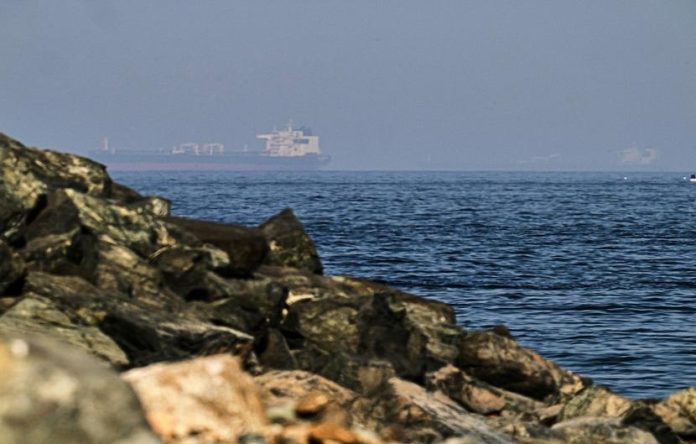
Across the Gulf, a fresh wave of fear and diplomacy has begun. Iran UAE tensions surged after the United Arab Emirates said it intercepted 15 missiles and four drones fired from Iran. The UAE warned it would respond to what it called treacherous attacks. The strikes marked the first major aggression since the Iran-US ceasefire on April 8. A drone attack sparked a large fire at the Fujairah Petroleum Industries Zone, injuring three Indian nationals. An empty crude oil tanker belonging to a state oil firm was also targeted as it tried to pass the Strait of Hormuz. Iran denies the UAE’s accusations, but the region braces for any further moves.
In this tense moment, the world reacted with concern and calls for restraint. Iran UAE tensions are no longer a distant issue; they touch energy security, maritime routes, and regional stability that Pakistan and its neighbours rely on for trade and fuel. The incident underscores how quickly Gulf disputes can affect global markets and everyday life in South Asia.
Context of Iran UAE tensions
The UAE reports show how quickly regional flashpoints can flare. The strikes followed a period of relative calm after the April 8 ceasefire. The authorities describe the attacks as a dangerous escalation that threatens regional security, maritime navigation, and energy infrastructure. The incident also tests the fragile balance between diplomatic talks and military postures in the Gulf.
Global reactions and calls for de-escalation
Leading nations voiced opposition and urged Iran to return to talks. Germany’s chancellor called for Tehran to rejoin negotiations, while France promised continued support for UAE allies. The United Kingdom and Canada also condemned the strikes and stressed diplomacy. The European Union and the GCC echoed these concerns, urging restraint and a return to the ceasefire framework.
In Pakistan, observers watch closely as fuel prices, energy security, and regional stability intersect with Gulf tensions. The episode highlights the need for stable energy corridors and reliable shipping routes that connect Pakistan to global markets. Iran UAE tensions thus carry implications beyond the Gulf.
Conclusion: The world’s response reinforces the demand for de-escalation, diplomacy, and adherence to international law. The focus remains protecting civilian lives and guarding critical energy supply lines as Iran UAE tensions unfold.