



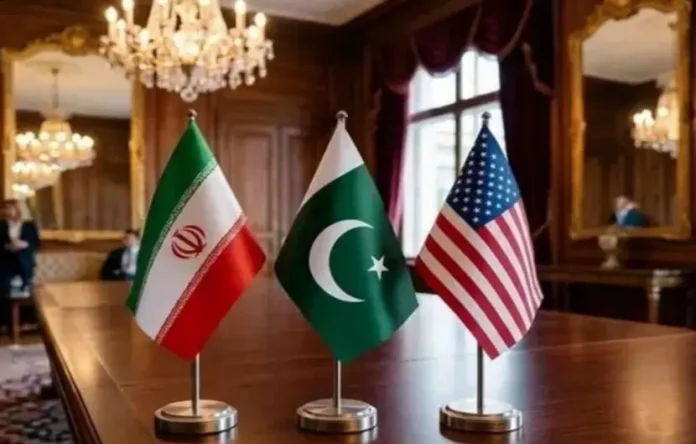

Pakistan Gaza diplomacy: Urgent calls for aid
Pakistan Gaza diplomacy is moving toward urgent action as the United Nations envoy in New York urges immediate Gaza humanitarian aid. Ambassador Ahmad, Pakistan’s permanent envoy to the United Nations, called on international partners to keep open relief corridors and coordinate a sustained response for civilians facing ongoing hardship. On April 28, 2026, he pressed for urgent diplomacy and restraint, stressing that time is critical for civilians in Gaza. He said Pakistan will coordinate with UN agencies and partners to ensure delivery of relief supplies and medical aid.
Gaza humanitarian aid and regional spillover
The envoy highlighted Gaza humanitarian aid as a top priority. He warned that delays could trigger a wider regional spillover, risking disruptions to Hormuz and Gulf energy routes. This stance aligns with Pakistan’s broader push for regional stability and a rules-based approach to conflict. Diplomats in Islamabad and at the UN stressed that sustained relief flows are essential to prevent further suffering and to maintain civilian access to food, water, and medicine. Pakistan’s message is clear: humanitarian access must not be politicized, and relief corridors must remain open even amid political disagreements.
Implications for Pakistan and regional players
Pakistan’s UN representation signals a steady diplomacy path. The envoy’s call could influence how Pakistan engages with regional players and partners in the Gulf. It also puts pressure on allies to join talks rather than escalate steps that might hurt civilians. Islamabad hopes to protect trade routes and energy corridors in the Gulf and to reduce the risk of spillover into neighbouring economies. Analysts say such diplomacy can help avert a wider crisis by combining humanitarian concerns with strategic restraint.
- Sustained humanitarian corridors for Gaza
- Diplomacy to prevent Gulf energy disruption
Conclusion: Pakistan Gaza diplomacy reinforces the demand for humanitarian access, restraint, and steady diplomacy to avert a wider crisis.