



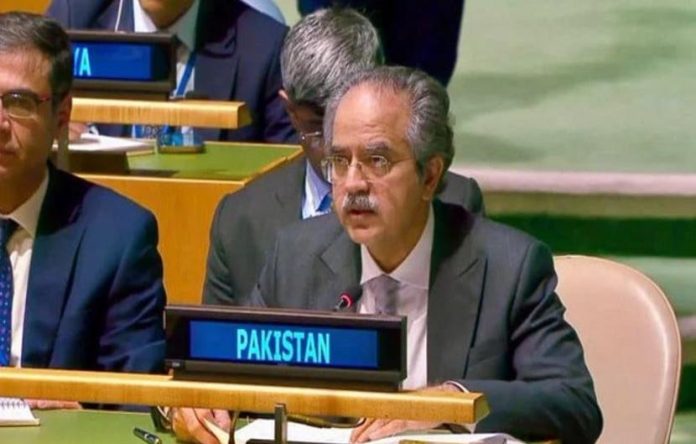

Pakistan Gaza diplomacy: UN envoy calls for urgent aid
Pakistan Gaza diplomacy is in focus. Pakistan’s permanent envoy to the United Nations, Ambassador Ahmad, urged sustained, unhindered humanitarian aid to Gaza. He warned of a broader regional spillover that could touch Hormuz. It could disrupt energy routes and raise tensions. The envoy reaffirmed Pakistan’s support for sovereignty of regional states. He called for urgent diplomacy and restraint. On Tuesday, he pressed for a timely international response. The call comes as Gaza faces ongoing hardship and aid gaps. The statement stressed that Pakistan will coordinate with UN agencies and partners.
Gaza humanitarian aid and regional spillover
The focus is Gaza humanitarian aid and open relief corridors. Pakistan calls for sustained relief for civilians. The warning is clear: spillover could hit Hormuz and Gulf energy routes. Leaders must back diplomacy over escalation. This stance aligns with Pakistan’s wider push for regional stability and rule-based cooperation. The envoy noted that humanitarian access must not be blocked by politics. He urged international partners to keep channels open for aid convoys, medical supplies, and essential food. Diplomats say flexibility is key to delivering aid without sealing off corridors. The UN and donor nations are urged to fast-track funding.
Implications for Pakistan and regional players
Pakistan’s UN representation signals a steady diplomacy path. The message helps Pakistani workers and families waiting for updates. It also pressures regional allies to join talks and reduce missteps. Islamabad hopes to protect trade routes and energy corridors in the Gulf. The stance may shape future South Asia and Middle East diplomacy, with Islamabad urging calm and accountability. Analysts say such diplomacy can prevent spillover into neighbouring economies and trade.
- Sustained humanitarian corridors for Gaza
- Diplomacy to prevent Gulf energy disruption
Conclusion: Pakistan Gaza diplomacy reinforces a demand for humanitarian access, restraint, and steady diplomacy to avert a wider crisis.