




Malaria in Pakistan: WHO calls for renewed action on World Malaria Day 2026
World Malaria Day 2026 arrives with a mixed picture for Pakistan. The latest figures show a 10% drop in malaria incidence in 2025 from 2024, but the country still reported about 1.8 million cases as it struggles to recover from the 2022 climate-driven floods. The WHO EMRO and Pakistan’s health authorities warn that progress could stall if vigilance wanes. This year’s focus is on sustaining gains, improving detection, and preventing resurgence across vulnerable districts.
Why this matters for Pakistan
Malaria in Pakistan remains a real public health challenge, especially after floods displaced families and altered habitats for mosquitoes. The numbers show progress, but 1.8 million cases indicate work left to do. World Malaria Day 2026 brings together the government, districts, NGOs, and international partners to keep malaria under control and protect children and pregnant women.
What Pakistan health initiatives are doing
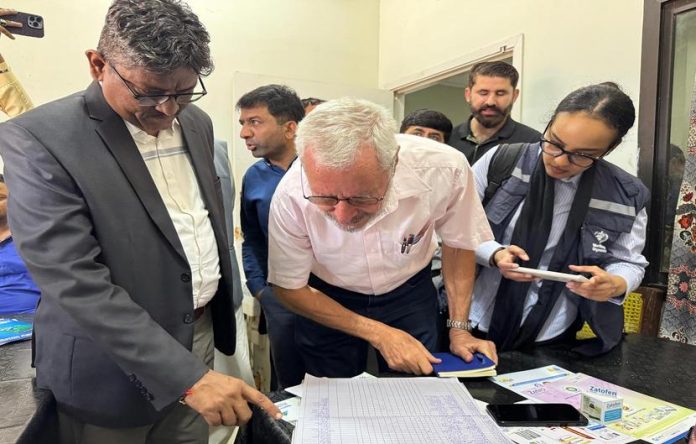
The Pakistan health initiative focuses on better surveillance, faster diagnosis, vector control, and timely treatment. WHO EMRO monitors outbreaks and provides guidance, while local programs expand bed nets, indoor spraying, and community outreach. The aim is to sustain gains and ensure vulnerable populations receive life-saving care.
What families can do
Remove standing water near homes, cover water containers, and use bed nets. If fever develops, seek testing promptly and complete treatment as advised by health workers.
Communities should report stagnation, clean-up sites, and support health campaigns. Small actions at home and in neighborhoods can reduce malaria transmission and protect futures.
With renewed funding and collaboration, Malaria in Pakistan can keep declining. Stay informed through credible sources and follow public health guidance to protect families and communities.