




Pakistan Watches US-Iran Talks: Regional Stability in Focus
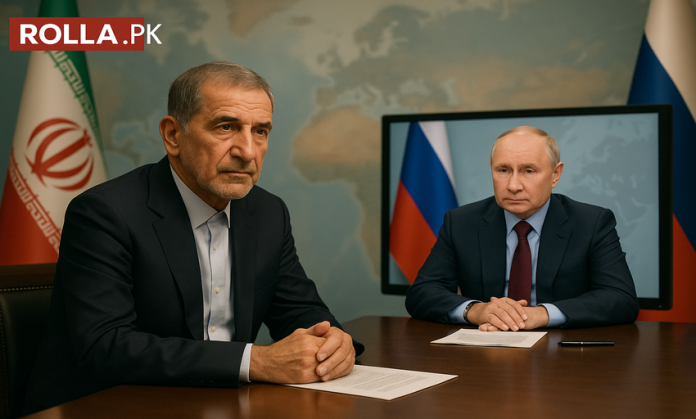
News from Tehran and Moscow reaching Pakistan today underscores how regional stability remains a top concern for ordinary Pakistanis. Iranian President Masoud Pezeshkian and Russian President Vladimir Putin spoke about regional balance after Islamabad hosted faltering peace talks with the United States.
The call signals that major powers are recalibrating their moves after the collapse of US-Iran peace talks in Islamabad, a setback that Pakistan watched closely. Moscow’s involvement suggests a broader regional approach, with diplomacy continuing even as direct negotiations stall.
For Pakistan, this exchange could mean shifts in security dynamics, energy routes, and the risk of spillovers from turmoil elsewhere. Any move by Tehran or Moscow to shape the region will matter here, because stability at home depends on stable skies above the subcontinent.
Analysts caution that such diplomacy is slow, incremental work, not flashy headlines. Still, Pakistan should push for predictable engagement with all sides and insist on civilian protection, humanitarian access, and a clear path away from confrontation. This means sustained diplomacy, not one-off statements.
Pakistan’s government and military leaders will watch for any signals about how far Moscow and Tehran are willing to go to ease tensions. The average citizen wants affordable energy, safe borders, and steady prices, not new flashpoints along important routes like Chabahar or Gwadar-linked corridors.
Pakistan’s pulsing media cycle, these regional moves will be parsed through the lens of security, economy, and national pride. People will debate whether Pakistan should mediate more actively or stay aligned with a broader set of partners to safeguard its interests.
Leaders in Islamabad can emphasize civilian protection, humanitarian access, and dialogue. They can also push for transparency about discussions with Tehran and Moscow, so the public understands what is being pursued and why it matters for jobs, investment, and peace on the ground.
From a wider perspective, the story fits into a larger global pattern where regional powers seek influence while ordinary people endure price hikes and uncertainty. Pakistan’s stability depends on steady diplomacy, diversified partnerships, and timely information that helps families plan their next month’s budget.
Bottom line: the Pezeshkian-Putin dialogue signals a shifting regional chessboard. For Pakistan, the goal remains simple—peace, predictable trade, and progress at home. Stay informed, stay engaged, and hope diplomacy keeps steering the region toward stability and opportunity for every Pakistani family eager for growth, security, and brighter days ahead.
Meanwhile, Pakistanis on social media, neighbors along the border, and business owners will be watching how the regional signals translate into tangible changes—fuel prices, transport costs, and the security environment. Clear messaging from Islamabad about peaceful, practical diplomacy could calm nerves and boost confidence.
Source: ANI News