


Iran-Putin Talks Signal Regional Shifts: What Pakistan Should Watch
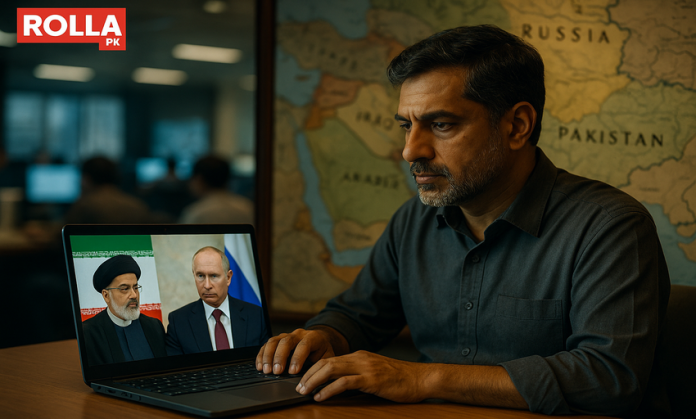
Pakistan watchers woke to a reminder that quiet diplomatic moves in distant capitals often reshape regional security. Iran’s president Masoud Pezeshkian spoke with Russia’s Vladimir Putin about the latest regional developments, with Tehran blaming American unilateralism and signaling openness to faster deals if conditions allow.
For Pakistan, the talks matter because Islamabad watches how Iran’s diplomacy, and Moscow’s strategic posture, could alter trade routes, energy projects, and border security. Any thaw or escalation in Tehran-Moscow ties can ripple through Gwadar corridor plans, transit payments, and regional trust.
Pezeshkian’s emphasis on bilateral deals with the West’s unilateral stance signals Iran’s readiness to leverage partners to secure its regional aims. This could push neighboring countries to rethink energy imports, defense collaborations, and early warning systems along the Iran-Pakistan belt.
Analysts caution that public statements often mask tighter behind‑the‑scenes talks. Still, the tone matters. If Iran and Russia align against Western pressure, Pakistan may need sharper diplomacy, lower expectations of quick energy deals, and readiness to diversify partners in case of shifting markets.
The regional puzzle includes Afghanistan, security guarantees, and energy lines that could be affected by new alignments. Pakistan’s policy rooms are watching how Moscow and Tehran coordinate on mutual interests, from rail links to gas pipelines, and how such plans ride the politics of global sanctions.
Pakistan’s public stance has to balance neighbourly ties with Iran while maintaining ties with the West and Gulf partners. The Iran‑Russia dialogue adds pressure to keep corridors open, avoid miscalculations, and use diplomacy to prevent any spillover that could disrupt local economies.
Regional media coverage in Pakistan often blends security concerns with economic hopes. People want affordable energy, stable prices, and reliable trade routes. If Tehran and Moscow push a collaborative front, Pakistan could gain if it negotiates early access to new terms and transit arrangements.
Experts advise patience. The real test will be whether Iran’s leadership can translate rhetoric into practical steps that reassure neighbours and reduce volatility. Pakistan should strengthen intelligence sharing, diversify imports, and keep diplomatic channels open with both Tehran and Moscow.
Bottom line: regional developments matter more than ever for Pakistan. The Tehran‑Putin conversation highlights how global powers shape our neighborhood. Stay informed, engage with pragmatic diplomacy, and prepare for a cautious but constructive future where Pakistan’s interests guide its strategic moves.
As always, readers should verify claims and follow credible outlets. The story underlines how small nations like Pakistan navigate big power dynamics through patience, timing, and principled diplomacy. Our key takeaway: keep options open and let outcomes drive policy forward.
Source: Wall Street Journal