



Pakistan to Host Gulf Peace Talks: What It Means for Your Wallet and Security
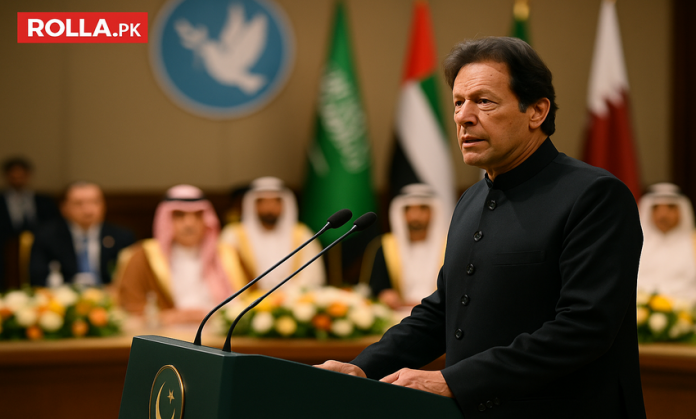
Kuwait’s defense and security events took center stage as Gulf News reported that Kuwait repelled an aerial attack even as Pakistan prepares to host peace talks this weekend. The development underscores rising regional tensions and tests Islamabad’s diplomatic role amid changing US-Iran dynamics.
For ordinary Pakistanis, this news is not just diplomacy; it could ripple through prices, energy supply, and job security. If tensions ease, markets may stabilise, inflation could cool, and trade links with Gulf partners might strengthen. Uncertainty, however, often hits households first.
Pakistan’s weekend talks symbolize a delicate balancing act. Islamabad aims to avoid siding with any bloc while encouraging dialogue, humanitarian relief, and de-escalation. The outcome could set a template for regional mediation, influencing how neighbours coordinate on security, energy, and refugees in the long run.
People will watch developments for signs of stability or flare-ups. Local media, businesses, and households will react to every headline, policy statement, and market move. A credible peace process could unlock investment, boost confidence, and encourage smoother travel and remittance flows between Pakistan and Gulf states.
Practical steps for readers: stay informed via outlets, watch energy price trends, and keep an eye on government briefings about diplomacy. Diversifying energy sources and strengthening trade links can cushion households if regional tensions persist or fade. Government messaging, jobs growth, and tech investments matter for stability. Source: Gulf News.