



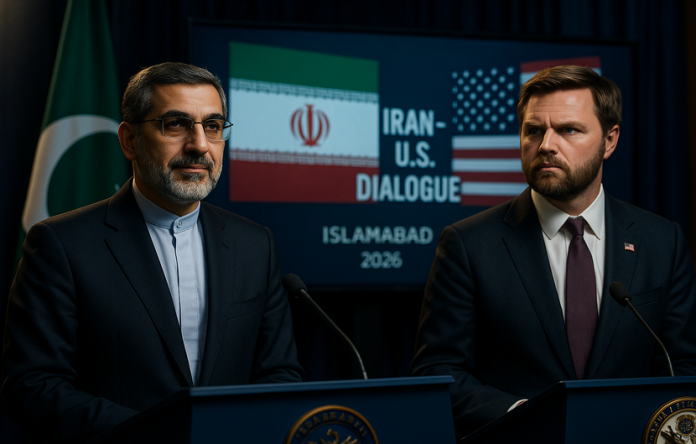

Pakistan Iran peace talks: US talks fail, Pakistan’s role shines
The Pakistan Iran peace talks have placed Islamabad at the center of regional diplomacy. For many Pakistanis, diplomacy means stability in markets, safety at home, and honest news. The focus is clear: Pakistan Iran peace talks could shape future security in the region. Iran’s foreign ministry spokesperson Esmaeil Baghaei publicly thanked Pakistan for hosting the talks. The discussions involved a US delegation led by Vice President JD Vance and stretched for hours in Islamabad but ended without a formal agreement. Observers say Pakistan’s role was pivotal, even as the outcome remains uncertain.
What happened
Baghaei described Islamabad as a neutral venue and praised Pakistan’s logistical support. The aim was to push toward a ceasefire and a framework for broader talks among Iran, the US, and allies. Despite hard bargaining, negotiators did not translate words into a binding text. The outcome left all sides urging patience for the next steps.
The Pakistani angle
Pakistan’s leadership, including Foreign Minister Ishaq Dar, pressed for a constructive path forward. Locals hoped for relief from volatile energy prices and safer cross-border trade. Analysts say Islamabad’s credibility will depend on follow-up steps and a clear timetable. Public briefings and press notes promised transparency as talks move ahead.
Impact on Pakistanis
People on the ground watch for stability and predictable prices. A potential cooling of tensions could boost business confidence and consumer sentiment. Markets may react with cautious optimism if new talks are announced soon.
What next
The road ahead remains uncertain. A second round could occur in the coming weeks, with careful diplomacy required. Islamabad vows to stay engaged and coordinate with regional allies. The region waits to see if dialogue can replace threat and uncertainty.
Conclusion: Pakistan Iran peace talks spotlight Islamabad’s diplomacy and the region’s search for durable peace.