



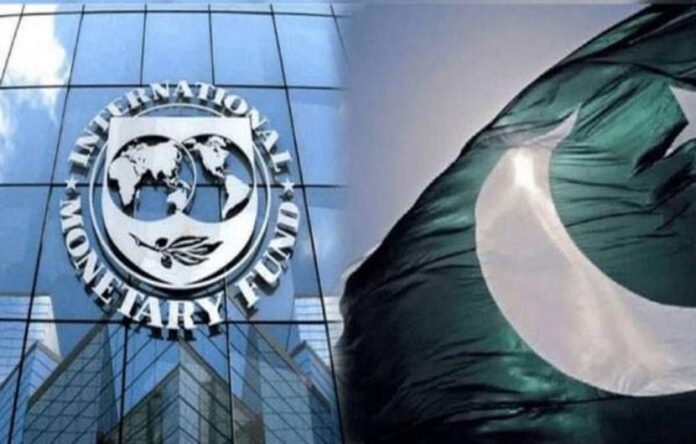

IMF Disbursement for Pakistan on May 8: What It Means
The IMF disbursement for Pakistan on May 8 could boost the economy at a critical time. The IMF Board is set to consider a $1.2 billion tranche under the $7 billion Extended Fund Facility (EFF) and the Resilience and Sustainability Facility (RSF). This step would mark a continuation of long‑running reforms and support from international lenders, echoing hopes across markets and households. For everyday Pakistanis, this news comes with questions about prices, jobs and growth.
What this means for the Pakistan economy
A positive decision would add much-needed foreign exchange reserves and ease debt servicing pressures. It could help finance essential imports, reduce pressure on the rupee, and support vital public services. While not a magic fix, the disbursement signals international confidence in reforms that aim to stabilize growth, curb inflation, and create room for investment.
The government plans to deploy funds carefully—shoring up central bank reserves, meeting short‑term financing needs, and protecting vulnerable households through targeted policies. If used transparently, the tranche could lay the groundwork for stronger growth without rekindling unsustainable deficits.
What to watch in the May 8 briefing
Investors, policymakers, and citizens will scrutinize progress on fiscal discipline, subsidy reforms, and energy pricing. The IMF board will assess macro indicators like the current account, inflation trajectory, and reserve adequacy. Public communication about how money is spent will matter for credibility and public trust.
- Currency stability and inflation trajectory
- Import capacity and energy payments
- Transparency and governance in fund use
Conclusion: IMF disbursement Pakistan on May 8 could strengthen the economy and public services, but success depends on sustained reforms and transparent governance that benefits every Pakistani.