



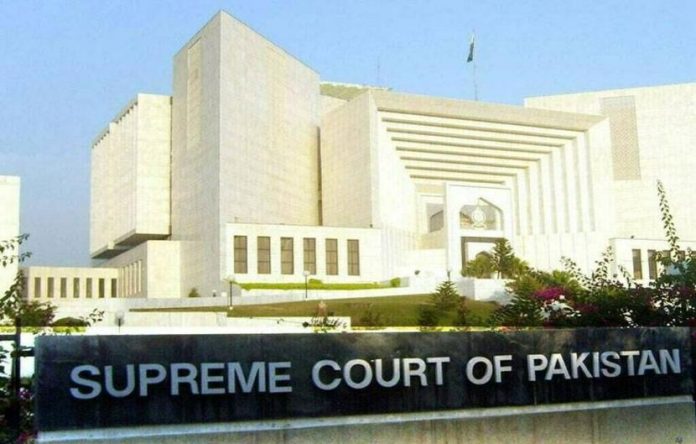

Fair Departmental Probes: SC Orders Fair Process in Pakistan
Pakistan’s Supreme Court has ruled that the standard of proof in departmental inquiries must be fair and proportionate, not just quick. The decision, announced in Islamabad, emphasizes due process, transparency, and accountability for all government departments. For ordinary Pakistanis, this means that complaints against officials should be handled with care, evidence, and a clear timetable. The ruling places fairness at the heart of governance and reaffirms that speed cannot come at the expense of justice. In a country where public trust is often tested, the verdict sets a welcome baseline for how investigations are conducted at federal and provincial levels. This is about fair departmental probes.
Why fair departmental probes matter
The SC’s emphasis on fair departmental probes helps ensure that misconduct is addressed without bias. When inquiries rely on solid evidence and due process, public servants are more accountable, and citizens gain confidence in state institutions. This approach also discourages rushed procedures that can overlook crucial facts, protecting both complainants and officials. Legal teams, auditors, and lawmakers will now refer to a clear yardstick for investigations, reducing disputes over process. The ruling signals that accountability must be transparent, predictable, and fair even when political pressure mounts.
What this means for Pakistan’s public institutions
Public administration will need not only will but also tools. Government bodies must adopt clear standards for inquiries, publish timelines, and share outcomes with the public. The ruling encourages consistent rules across ministries, enhancing transparency and trust in governance. Departments will benefit from structured processes that balance speed with accuracy, reducing arbitrary actions. Training programs for officials, better record-keeping, and independent oversight can help realize these ideals.
- Clear inquiry standards
- Time-bound investigations
- Public reporting of outcomes
Conclusion: This ruling strengthens democracy in Pakistan by aligning governance with the rule of law. Fair departmental probes build trust, protect rights, and ensure equal treatment under the law. If followed, the decision could elevate accountability across federal and provincial bodies.