



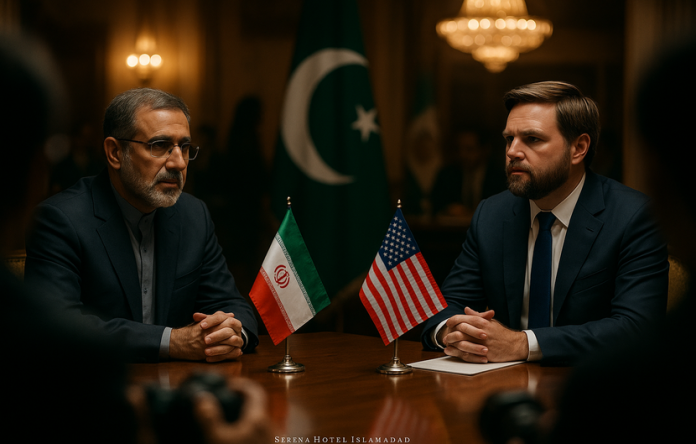

Pakistan Iran peace talks: Iran thanks Pakistan after US talks fail
Pakistan Iran peace talks in Islamabad drew global attention as Iran’s foreign ministry spokesperson Esmaeil Baghaei thanked Pakistan for hosting the high-stakes discussions with the United States. The 21-hour marathon at the Serena Hotel tested patience and nerves on all sides, with both sides presenting tough terms on a broader ceasefire and regional security. The tone remained formal, yet the room suggested urgent attempts to squeeze a fragile accord from a difficult moment.
The US delegation was led by Vice President JD Vance, who spoke to reporters after the session. He said there was no final deal, a setback that underlined how far both sides must travel. Still, Islamabad’s role as a mediator is now center stage, drawing attention from neighbors and global powers watching to see whether diplomacy can outpace conflict.
Impact on Pakistan and the region
For Pakistan, the talks reaffirm the value of mediation in a volatile region. Islamabad emphasized the importance of maintaining the current ceasefire and urged all parties to honor commitments while exploration of longer-term arrangements continues. Analysts say if Pakistan keeps the initiative, it could shape future negotiations beyond this flare-up, including Iran-US talks on broader ties.
What comes next
Expect renewed sessions in coming weeks as negotiators resume work on extending the ceasefire, and on issues such as shipping security and humanitarian pauses. International observers will watch closely for any movement, while Pakistan will likely stress trust-building measures and clear timelines to avoid another deadlock.
Ultimately, Pakistan Iran peace talks signal a serious diplomatic effort. If talks resume with momentum, the region could gain stability, lower risks, and a clearer path to lasting peace. The outcome will hinge on practical steps, open communication, and Pakistan’s continued leadership in mediation. Pakistan Iran peace talks remain in focus.