




Hantavirus Outbreak on Cruise Ship: What You Need to Know
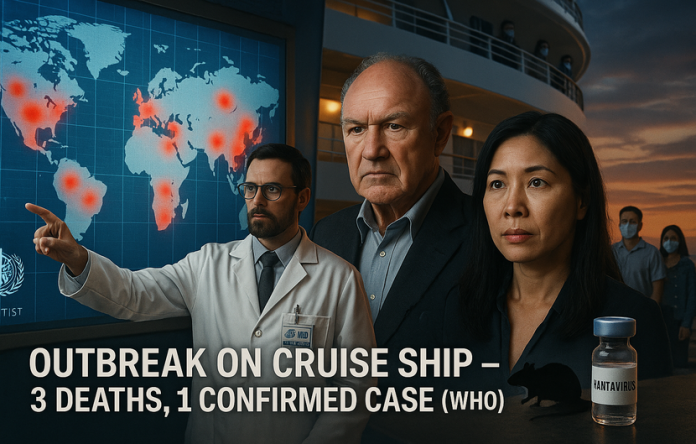
The hantavirus outbreak on a cruise ship has drawn global attention. A rodent-borne illness is suspected. Three deaths and one laboratory-confirmed case have been reported. The World Health Organization is leading investigations and coordinating further tests.
What is hantavirus?
Hantavirus is a rodent-borne disease. It spreads mainly through contact with rodent urine, saliva or droppings and, less often, between people. The cruise ship case shows why vigilance is needed as investigations unfold under WHO supervision.
Symptoms and risks
Initial symptoms resemble flu—fever, chills, muscle aches, headache. Some patients progress to shortness of breath as the lungs fill with fluid. Death rates vary by virus type; hantavirus pulmonary syndrome can be serious.
Public health response
The WHO says that, while rare, person-to-person spread is possible with some strains. Authorities stress environmental cleanups to limit exposure and thorough lab testing to confirm the virus type and transmission pathway. The cruise originated in Argentina, and a linked US case prompted a rapid response in New Mexico and other states.
Prevention and home hygiene
Prevention rests on reducing rodent access. Wear gloves when cleaning areas with droppings and use a bleach solution. Avoid sweeping or vacuuming in dusty spaces to prevent aerosolization. Public health guidance emphasizes reporting suspicious respiratory or fever symptoms early.
Why this matters to Pakistan
For Pakistani travelers, this outbreak underscores travel health awareness. Following local advisories and practicing hygiene at hotels, ships and airports helps protect families back home. Staying informed and seeking medical care promptly can reduce risk.
In short, hantavirus outbreaks require swift action, careful testing, and clear communication. Keeping to trusted health guidance helps everyone stay safer during travel and daily life.