



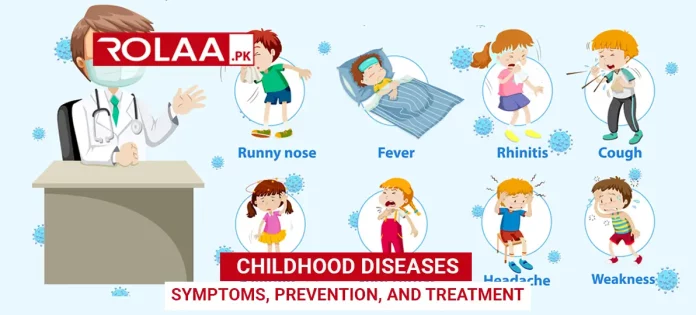

Childhood diseases represent a significant concern for parents, caregivers, and healthcare professionals alike. From highly contagious viruses to bacterial infections, understanding the spectrum of childhood illnesses is paramount for safeguarding the health and well-being of young individuals. This comprehensive article provides an in-depth exploration of common childhood diseases, their symptoms, prevention strategies, and available treatments.
Measles:
Measles, a highly contagious viral infection, manifests with symptoms such as fever, cough, runny nose, and a distinctive rash. Complications can range from pneumonia to encephalitis, making vaccination crucial. The measles vaccine, typically administered as part of the MMR (measles, mumps, and rubella) vaccine, is highly effective in preventing this disease.
Chickenpox (Varicella):
Caused by the varicella-zoster virus, chickenpox is characterized by an itchy rash, fever, and flu-like symptoms. Complications may include bacterial skin infections and pneumonia. The varicella vaccine is recommended for all children to prevent chickenpox.
Mumps:
Mumps presents with swollen salivary glands, fever, headache, and muscle aches. Complications can include meningitis and deafness. Vaccination with the MMR vaccine provides protection against mumps.
Rubella (German measles):
Rubella typically causes a mild rash and fever but can be dangerous during pregnancy, leading to birth defects. The MMR vaccine protects against rubella.
Whooping Cough (Pertussis):
Whooping cough is a highly contagious bacterial infection characterized by severe coughing fits. Vaccination with the DTaP vaccine is crucial for prevention.
Prevention Strategies:
Vaccination remains the cornerstone of preventing childhood diseases. Adhering to recommended immunization schedules significantly reduces the prevalence of these illnesses. Additionally, practicing proper hygiene, such as regular handwashing and avoiding exposure to sick individuals, is essential in preventing the spread of infectious diseases.
Treatment and Management:
Treatment for childhood diseases may involve supportive care, antiviral or antibiotic medications, and hospitalization in severe cases. Early detection and intervention play a vital role in managing complications and preventing further transmission within communities.
Conclusion:
Comprehensive understanding of childhood diseases is essential for effective prevention and management. Through vaccination, adherence to proper hygiene practices, and prompt medical intervention, parents, caregivers, and healthcare professionals can work together to protect children from the harmful effects of these illnesses. Regular visits to healthcare providers for vaccinations and well-child check-ups are fundamental in ensuring the health and safety of young individuals in our communities.