



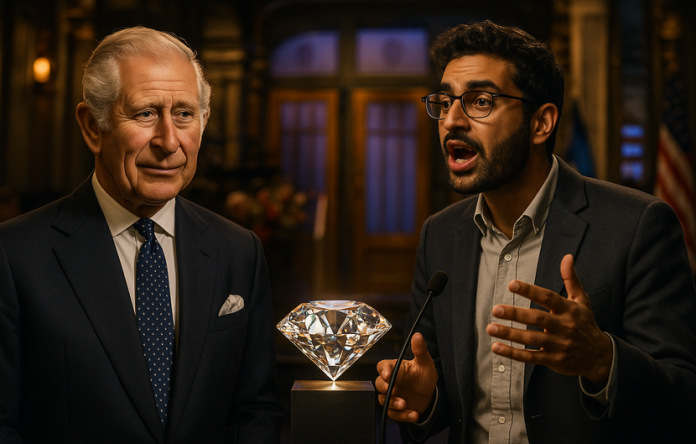

Koh-i-Noor Controversy Sparks SNL Roast of King Charles III
The Koh-i-Noor controversy has flared again as King Charles III visits the United States. In New York, Zohran Mamdani, the mayor of New York, urged the king to return the Koh-i-Noor diamond to India. This unexpected appeal arrived during a high-stakes trip, drawing quick attention from observers and fans. In coverage, Mamdani is quoted as saying, “I would probably encourage him to return the Koh-i-Noor diamond,” a line that sparked debate about history, restitution, and the role of monarchies in modern politics. The moment fed into a broader SNL roast lampooning the king and the ongoing Koh-i-Noor conversation, showing how a royal visit can ignite global discussions in seconds.
Koh-i-Noor controversy on the global stage
Media worldwide picked up the story, turning a statement into a public debate. Analysts noted that one line from Mamdani could revive centuries of history around the Koh-i-Noor diamond, mined in the Indian subcontinent and now part of royal regalia. Charles, in the United States for a busy visit, faced restitution questions that echo debates in many forums. The Saturday Night Live sketch riffed on the demand, using humor to frame heritage, ownership, and diplomacy. For Pakistani readers, the episode shows how foreign headlines touch local cultures, reminding everyone that symbols like the Koh-i-Noor travel fast and carry more meaning than their value.
Pakistan perspective and takeaway
For Pakistani audiences, the Koh-i-Noor controversy blends history with media. It underscores how global symbols meet local memory. The SNL roast may be light comedy, yet it keeps a serious conversation alive about restitution, heritage, and regional ties to the diamond.
In closing, the Koh-i-Noor controversy remains in the spotlight as King Charles continues his U.S. visit. Mamdani’s comment, echoed by fans online, illustrates how royal headlines travel instantly. For Pakistani readers, this episode is a reminder that history, media, and diplomacy converge fast, shaping perceptions of heritage and accountability in today’s world.