



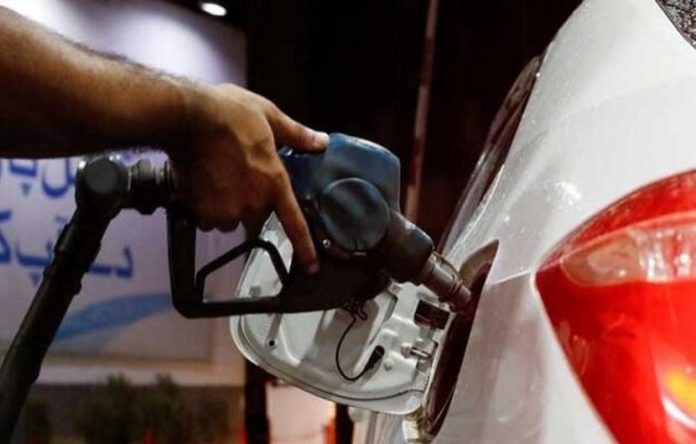

Petroleum sales fall 7% in April as high prices hit demand
Petroleum sales in Pakistan fell 7% year-on-year to 1.36 million tonnes in April, down from 1.45 million tonnes in the same month last year. The decline signals how higher fuel prices are dampening demand across the country.
On a month-on-month basis, oil product sales declined 6%. Excluding furnace oil, the drop becomes steeper: 11% YoY and 10% MoM to 1.22 million tonnes. In short, April showed weaker consumption alongside price pressures in the energy sector.
Prices surged as motor spirit rose 54% year-on-year to Rs392.64 per litre, while high-speed diesel climbed 67% to Rs431.97 per litre. The sharp price increases reflect policy measures and global energy trends that fed into domestic retail rates.
Within the product mix, HSD volumes dropped 12% YoY in April, MS down 7% YoY. Furnace oil, conversely, rose 63% YoY as power generation demand boosted furnace oil use. Monthly figures show MS offtake down 8% MoM and HSD down 7% MoM, while FO jumped 56% MoM, underscoring shifting demand patterns.
For the first ten months of FY2026, cumulative petroleum sales rose 4.0% year-on-year to 13.76 million tonnes. Excluding furnace oil, sales were up 5.0% to 13.23 million tonnes, underscoring a widening base even as monthly volatility persists.
Brand-wise market shares show PSO at 42.4% compared with 44.5% a year earlier. Gas & Oil Pakistan Ltd (GO) lifted its share to 12% from 10.2%. Attock Petroleum Limited (APL) slipped to 0.12 million tonnes, with an 8.2% share. Wafi Energy Pakistan, formerly Shell Pakistan, remained near 8.0%, while Hascol Petroleum fell to about 3.1% with a 26% YoY decline.
PSO’s April volume stood at 0.59 million tonnes, illustrating ongoing leadership yet thinner margins as the market recalibrates. In parallel, total petroleum levy collection during July-April FY2026 reached roughly Rs1.28 trillion, highlighting fiscal impact alongside consumer costs.
These numbers reveal a Pakistan oil market navigating higher prices and evolving consumer demand. The data will inform policy and business strategy as players adjust to the evolving energy landscape.