




Business (News and Updates)
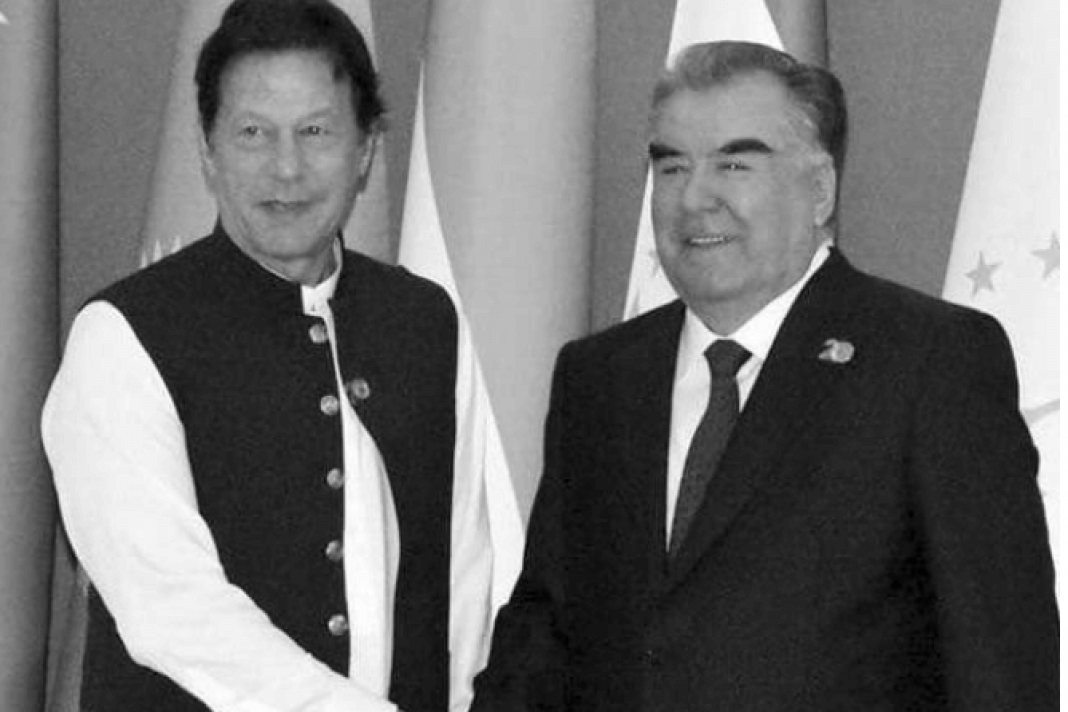
Were Pakistan and Tajikistan the protagonists of last week’s SCO summit? Prime Minister Imran Khan tweeted that «After meetings in Dushanbe with leaders of Afghanistan’s neighbors and especially a lengthy discussion with Tajikistan’s President Emomali Rahmon, I have initiated a dialogue with the Taliban for an inclusive Afghan government to include Tajiks, Hazaras and Uzbeks.» President Rahmon confirmed their joint efforts to this end during the press conference following their meeting. According to his official website, he said that «Tajikistan and Pakistan have agreed to direct all efforts to achieve these goals. » While these interests are driven by objectively existing bilateral factors, there’s also no denying that working closer together reflects better on Pakistan in the eyes of Tajikistan’s Russian ally and on Tajikistan in the eyes of Pakistan’s Chinese one. These suspicions should hopefully be put to rest after Prime Minister Khan publicly announced that his country and Tajikistan are jointly working towards improving that state of affairs.
As for Tajikistan and China, Beijing is modernizing its neighbor’s highway network with an eye on pioneering a so-called «Persian Corridor» through there and Afghanistan en route to its new 25-year strategic partners in Iran. For this vision to succeed, however, Tajikistan mustn’t provide any tangible support to its anti-Taliban co-ethnics in Afghanistan, something that President Rahmon is finding difficult not to do in the face of growing grassroots pressure.
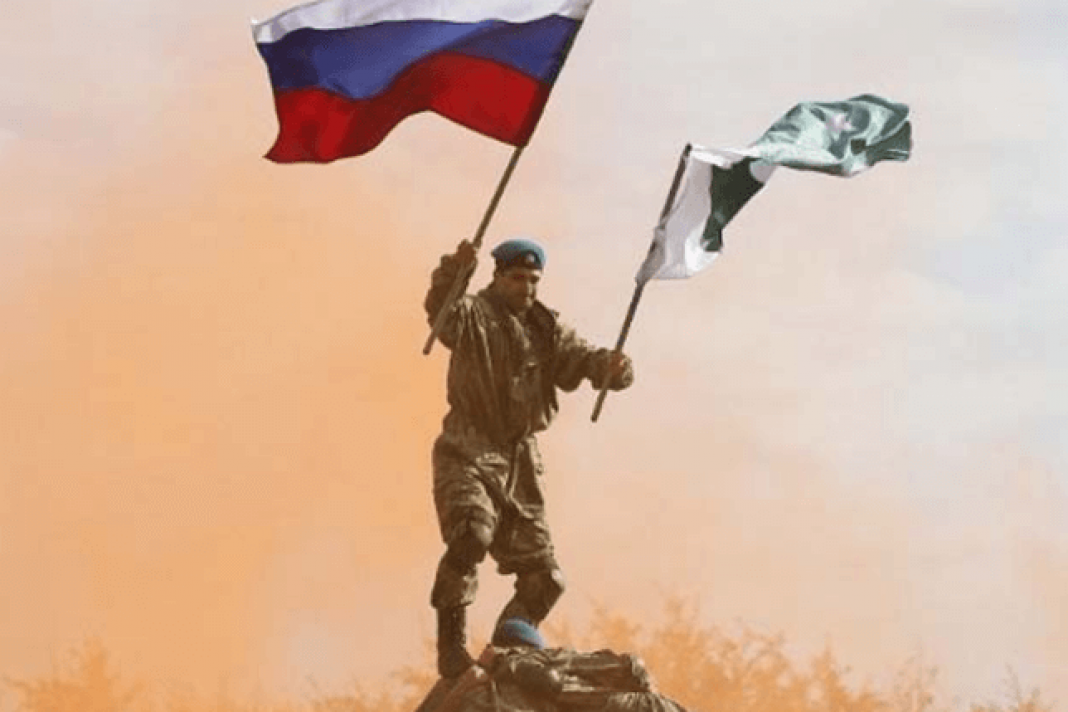
The importance of enhancing Russia-Pakistan military relations: This year’s Russian-Pakistani joint anti-terrorist drills just commenced in the southern Krasnodar Region. They were preceded by Chairman of the Pakistani Joint Chiefs of Staff Committee General Nadeem Raza meeting with his Russian counterpart Chief of the Russian General Staff and Deputy Defence Minister Army General Valery Gerasimov in Moscow last week. This concept refers to the varied use of military means to advance strategic ends. In the Russian-Pakistani context, it relates to their increasingly close military coordination for containing Afghan-emanating threats, which importantly helped them overcome the bitter legacy of their 1980s proxy war in that country. Their «military diplomacy» vis-a-vis Afghanistan also occupies a special significance for their respective governments.
The reported Islamabad intelligence summit in mid-September which brought together the Russian, Chinese, Iranian, and a few Central Asian chiefs showed just how far the trust between their military-intelligence forces had come. In light of their exceptional relations as of late, it’s natural that General Gerasimov praised Pakistan for actively developing military cooperation with Russia over the past year despite the pandemic.