



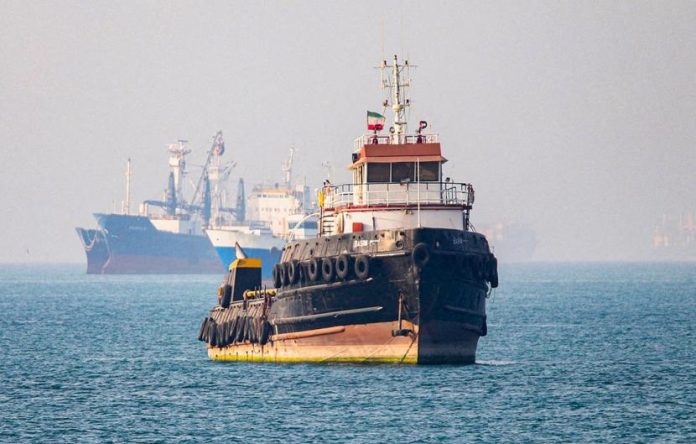

Oil Markets Near Deal: U.S.-Iran Tensions and Hormuz Hope
Oil markets near deal as U.S.-Iran talks progress. Investors watched a sharp move in prices and a rebound in stocks after reports of progress toward ending the war and reopening the Strait of Hormuz.
U.S. crude dipped intraday to about $88 per barrel and Brent slid to roughly $96, before settling. The close showed U.S. crude at $95.08 and Brent at $101.27, signaling relief despite high global risk.
Wall Street rallied: the S&P 500 rose 1.5%, the Nasdaq gained 2%, and the Dow added more than 610 points. The shares reflected optimism about a memorandum of understanding and possible next steps.
In the oil market, wholesale gas prices fell about 5%, and heating oil dropped. Yet prices remain up more than 65% for the year so far, underscoring volatility as war and diplomacy unfold.
Iran said it was reviewing the U.S. proposal and would convey its assessment to Pakistan, the mediator, as Axios reported. Iran’s navy said safe passage through the Hormuz Strait would be ensured if threats were neutralized.
President Trump commented on Truth Social that the deal would be possible, while warning that failure could lead to renewed conflict. Analysts cautioned that ending the war remains uncertain, with talks advancing slowly.
In the context of mortgage costs, the average 30-year fixed-rate stood at around 6.44%, with further potential declines if market moves continue. For Pakistan, these dynamics affect energy costs and inflation, highlighting the global reach of Hormuz’s fate.
As the market digests the news, the coming days will reveal whether a formal agreement emerges. The world will watch the Strait of Hormuz closely as trade resumes and prices adjust.
Axios cited two U.S. officials and two other sources about a one-page memorandum to end the war.
The national average gas price rose above $4.50 per gallon earlier, fueling concerns for consumers.