



Pakistan mediation role in Gulf security shifts
Pakistan mediation role is gaining traction as Gulf security shifts redraw alliances. Islamabad leverages its strategic location at the crossroads of Middle East and South Asia to press for dialogue over force. This focus on diplomacy reflects a pragmatic stance within Pakistan diplomacy, aiming to reduce risk and build stable ties with Iran and Saudi Arabia.
Practical steps shaping the role
In a practical demonstration, Pakistan helped transfer 22 Iranian sailors from the container Tosca, a move announced on X as a confidence-building step among neighbours. The gesture underscores Islamabad’s willingness to facilitate communications and humanitarian action amid tense headlines. It strengthens the Pakistan mediation role by showing reliable diplomacy that complements broader talks on Iran, the United States, and Gulf security shifts.
Defence diplomacy and regional posture
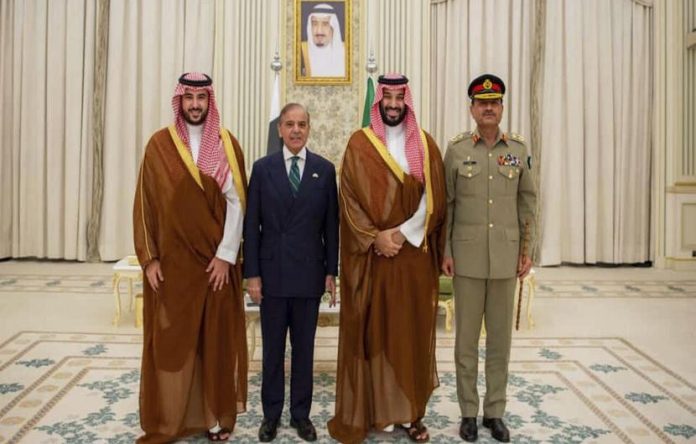
On April 11, Pakistani aircraft deployed to Saudi Arabia under a mutual defence pact signed in September 2025. Moreover, this display of interoperability signals a layered approach: deterrence backed by diplomacy. While India and Iran remain focal points, Pakistan aims to create space for dialogue, reducing the chance of miscalculation as Gulf partners reassess security commitments.
Leverage and regional partnerships
Likewise, China’s backing helps Islamabad. Beijing’s support for Pakistan’s mediation role appears as Gulf players seek diversified security options beyond Western guarantees. This triangular diplomacy, linking Islamabad with Beijing and Gulf capitals, shapes cautious, pragmatic channels rather than bold military moves.
Conclusion on the path ahead
The Pakistan mediation role could anchor crisis stability if pre-crisis planning includes narrative exits and Track 1.5 dialogues. With steady leadership guiding the government and army, Pakistan remains a credible Gulf broker, aligning its interests with regional peace.