




Strait of Hormuz Tensions: Trump Presses Iran to Wave White Flag
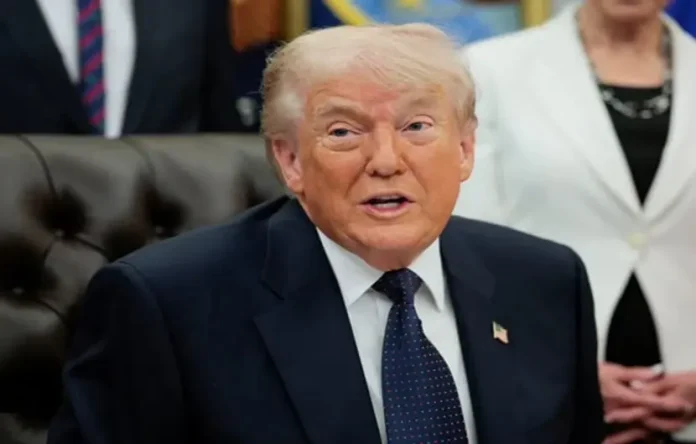
The Strait of Hormuz tensions surged as President Donald Trump pressed Iran to wave the white flag of surrender. In a White House briefing, he said Tehran’s military was ‘totally gone’ and mocked its forces as peashooters. Moreover, he praised the US blockade of Iranian ports, calling it ‘working out very well,’ and described the tensions as a ‘little skirmish.’ The remarks come as Washington rolled out ‘Project Freedom,’ a defensive effort to escort ships stranded in the Strait since US-Israeli attacks began on February 28. For Pakistan, any disruption to Hormuz routes threatens energy costs and inflation.
Key players and statements
Iran’s President Masoud Pezeshkian rejected the surrender demand, saying Iran would not yield and urged negotiations instead. Additionally, he framed the US push as excessive pressure and warned against a broader confrontation. Meanwhile, US Defence Secretary Pete Hegseth said the four-week truce was temporary and would be monitored closely. Gen. Dan Caine, chairman of the Joint Chiefs, stated the United States was ready to resume major combat operations if ordered, adding that Washington’s restraint should not be mistaken for weakness.
Ceasefire status and regional posture
Iran’s Revolutionary Guards warned they would respond firmly to any deviation from the declared Hormuz corridor. Moreover, the US military reported destroying six Iranian small boats and intercepting missiles and drones, while Iran denied planned attacks against the UAE. On Monday, Iran fired missiles toward UAE targets; all were intercepted. The UAE said its air defences engaged missiles and drones again, underscoring regional fragility.
Impact on Pakistan and energy security
Beyond clashes, Fujairah’s oil facility fire and ongoing Hormuz disruptions threaten global energy flows. For Pakistan, fuel prices and inflation depend on how quickly Hormuz normalizes. Furthermore, analysts emphasise that stable sea lanes and clear ceasefire progress are vital for Pakistan’s energy security and economic stability.
Conclusion: Strait of Hormuz tensions require careful diplomacy as global powers weigh next steps. The region’s stability remains crucial for Pakistan’s energy outlook and regional security.