




Iran Nuclear Program Assessment Shapes US Intel View
Iran nuclear program assessment informs the latest US view for Pakistan readers. US intelligence assessments indicate the time Iran would need to build a nuclear weapon has not changed since last summer. Analysts had suggested a US-Israeli strike could push the timeline to as long as a year. Officials urge caution as data continues to arrive.
Sites and recent strikes
The findings point to three sites. Natanz, Fordow and Isfahan were cited in reports about recent strikes, even as Iran denies broader targeting. Observers say verification efforts are more challenging now. The scope of verification remains a key issue for international observers.
Unverified stockpiles and numbers
The IAEA says it cannot verify the whereabouts of some 440 kilograms of uranium enriched to 60 percent. The missing inventory could be spread across multiple sites, complicating checks. The IAEA remains in regular contact with Tehran on inspections, but access remains contested during wartime.
Implications of the nuclear timeline
Experts note that 440 kg of HEU could be enough for around 10 weapons if enriched further. That figure shows how small shifts in enrichment power can have large consequences. The timeline for weaponisation stays sensitive to new intelligence, supply chains, and international pressure. The numbers will guide future policy choices.
Expert voices
David Albright, a former UN nuclear inspector, emphasized that knowledge and capability drive risk as much as material. Eric Brewer, a former senior US intelligence analyst, said timelines remain hard to pin down amid ongoing operations. Both stress diplomacy as essential despite hard realities.
Context and outlook
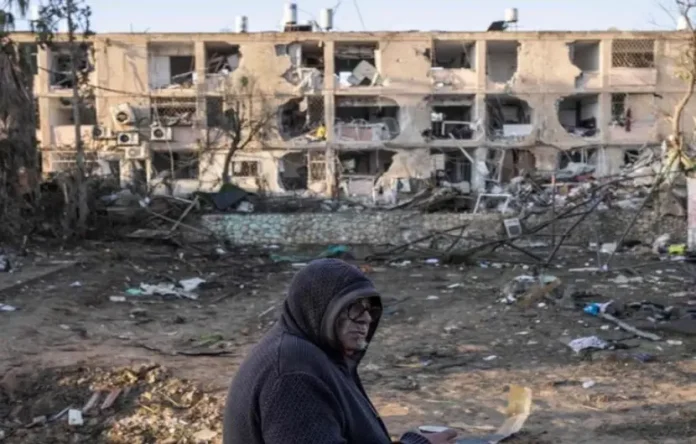
Recent US-Israeli strikes have caused civilian harm, while the broader war continues. The core message remains clear: Tehran’s path toward a weapon remains a central concern for allies and partners alike. International diplomacy will test the next steps in the coming weeks. Pakistan and its partners watch closely as energy and security are linked.
Bottom line
The Iran nuclear program assessment suggests the timeline has not moved decisively. Policymakers watching the region should stay prepared for evolving information and potential diplomatic shifts that could influence Pakistan’s energy and security planning. Weeks ahead may bring fresh briefing and risk recalibration. Stay tuned for official updates.