



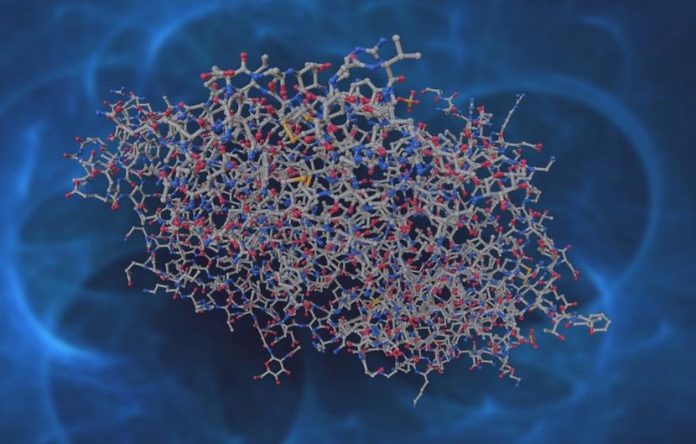

Soluble IL-2 Receptor: Clinical Usefulness in Diagnostics
Soluble interleukin-2 receptor, or soluble IL-2 receptor (sIL-2R), is the shed form of CD25, the alpha chain of the IL-2 receptor. When T cells activate, CD25 is upregulated and released into the blood as sIL-2R. A higher sIL-2R level signals immune activation and is seen in infections, inflammation, autoimmunity, and some cancers, but it is not disease-specific.
Clinical roles in sarcoidosis and HLH
Clinically, measuring sIL-2R helps in diagnostics and in tracking immune activity. It is especially useful in sarcoidosis, where several studies show sIL-2R is a sensitive marker. It often outperforms ACE and lysozyme, particularly in extrapulmonary disease such as ocular involvement. sIL-2R levels correlate with disease activity and organ involvement and can reflect response to therapy; decreasing levels accompany improvement, while rising levels may indicate ongoing activity or relapse.
HLH and other diseases
In HLH, sIL-2R rises prominently and is included in HLH-2004 diagnostic criteria. Serial measurements assist in monitoring treatment response.
Autoimmune and other conditions
sIL-2R is also elevated in autoimmune and inflammatory diseases such as multiple sclerosis, rheumatoid arthritis, systemic lupus erythematosus, and IgG4-related disease. In these conditions, the marker reflects immune activity but lacks disease specificity; its value lies in disease monitoring and in unclear cases.
Practical considerations
Elevations may also occur in hematologic cancers and other inflammatory states, reflecting broader immune activation. Reference ranges vary with age, renal function, and the specific assay used; pre-analytical factors matter for interpretation.
Guidelines and interpretation
German guidelines note sIL-2R as a useful laboratory marker in diagnosing ocular sarcoidosis and uveitis when ACE is inconclusive. In neurology, it is described as supportive in neurosarcoidosis and other immune neuropathies. Nephrology guidelines include it in extended panels for systemic diseases with kidney involvement.
Bottom line
Overall, sIL-2R is a sensitive marker of immune activation. It supports diagnosis and monitoring in sarcoidosis and HLH, among other conditions, but clinicians must interpret results in the broader clinical context.



 testing aids sarcoidosis and HLH diagnosis and monitoring immune activation, guiding treatment.)