



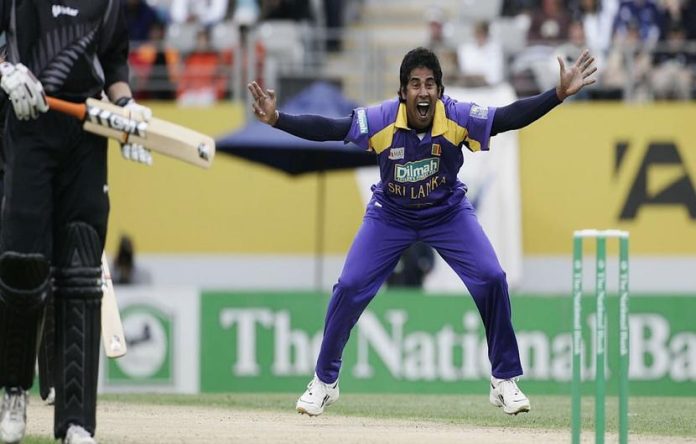

Cricket swing bowling: Vaas on the timeless art
Cricket swing bowling remains a core skill, a craft that thrives on patience, rhythm, and intelligence. In a recent reflection, Chaminda Vaas explains why this art endures in modern cricket.
Legends behind the craft
Vaas calls Wasim Akram the complete fast bowler, noting pace, control and late movement that unsettled batsmen. Waqar Younis’s reverse swing and pinpoint yorkers created pressure in all phases of an innings. He also praises James Anderson for seam position and late movement in English conditions, and adds that Dale Steyn combined speed with movement to reduce options for batsmen. Bhuvneshwar Kumar’s swing in white-ball cricket shows the craft remains relevant.
In practice, swing starts with the grip, the seam angle, and a repeatable action that keeps the ball moving. Across eras, Vaas points to how these greats mastered both old-ball and new-ball swing, adapting to every ground and weather pattern.
Vaas on approach and mindset
“Swing bowling is a thinking game,” Vaas emphasizes. “You set batsmen up, adjust lengths, and use the crease with patience.” He stresses that success comes from understanding strengths and maintaining rhythm, not chasing extra pace. Moreover, modern batsmen adapt, but swing bowlers still set the agenda by asking questions outside off stump.
In the modern game, flatter pitches and power-hitting have not displaced swing. Great bowlers find ways to move the ball and read conditions, turning small margins into big outcomes.
Conclusion
Ultimately, Cricket swing bowling endures because movement and intelligence outthink the batsman. When the ball moves, a disciplined bowler can dictate terms and shape a match, regardless of the era or format. For fans in Pakistan and around the world, the lesson is clear: skill and timing trump speed when defending runs or chasing wins.