



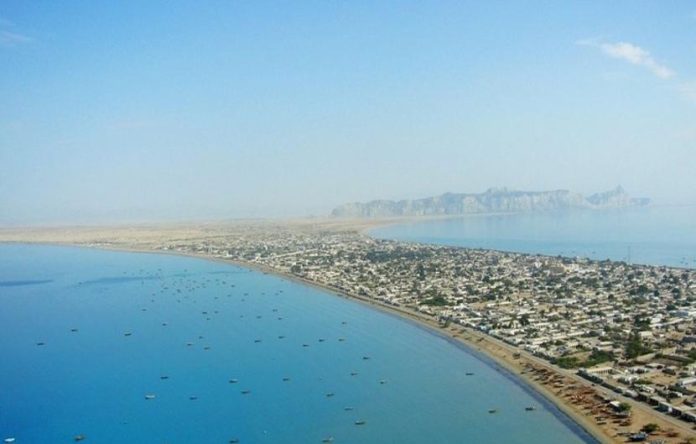

Pakistan Iran land corridors boost trade
Pakistan has unveiled six overland transit routes to move shipments into Iran, a strategic shift aimed at building resilience and speeding trade. The plan creates the Pakistan Iran land corridors to move goods faster, and to clear more than 3,000 containers stranded at Karachi and Port Qasim.
Six overland routes for Iran
Activation of this route network follows a regulatory order by Pakistan’s Ministry of Commerce, activating a 2008 bilateral road transport agreement with Iran. This Iran transit framework will guide new, reliable channels for third-country cargo, reducing dependence on sea lanes and increasing resilience during global disruptions.
Corridors and times
Corridor 1, the Gwadar Gabd corridor, spans about 89 kilometers and could cut travel time to 2-3 hours. Corridor 2 follows a coastal line from Karachi through Lyari, Ormara, and Pasni to Gabd-Rimdan, typically 16 to 18 hours for commercial cargo. Both routes leverage existing road networks and border facilities.
More routes
Corridor 3 runs from Karachi/Port Qasim to the Taftan border crossing near Iran, roughly 900 kilometers long. Corridor 4 links Gwadar to Taftan via Turbat, Panjgur, and Quetta, stretching over 1,000 kilometers.
Corridor 5 goes from Gwadar to Taftan via Liari, Khuzdar, Quetta/Lakpass, Dalbandin, and Nokundi, while Corridor 6 connects Karachi/Port Qasim to Gabd via Gwadar. Distances vary but all aim to bypass busy sea routes. The corridors will require coordinated border checks, customs clearance, and reliable security.
Why this matters
Analysts note Pakistan remains heavily dependent on imports for energy, with 85-90% of needs met by imports. The oil import bill has surged amid Middle East tensions, underscoring the value of land routes to Iran as a diversification move. Government officials say the move could also attract regional business, reduce transport costs, and speed critical goods.
Impact and outlook
Pakistan’s new corridors could ease port congestion and clear container backlogs. They promise regional trade security and help industries cope with price volatility in global energy markets. Actual success will depend on border coordination and logistics, including reliable trucking capacity, warehousing, and digital documentation.
Conclusion
By diversifying routes, Pakistan strengthens its trade capacity and moves goods faster across borders. With careful planning, the Pakistan Iran land corridors could become a cornerstone of a more self-reliant economy.