




China Makes AI powered robots Core of National Strategy
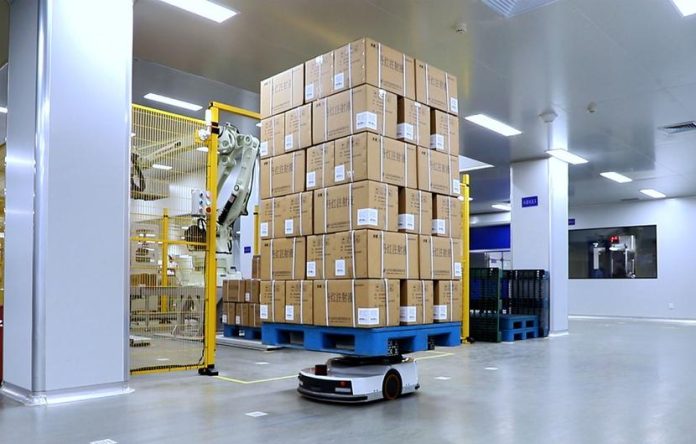
China’s 15th Five-Year Plan (2026–2030) marks a bold shift toward innovation, placing AI powered robots at the heart of its modern industrial system. The aim is to pivot AI research toward physical applications, with robots driving growth. The country already hosts about 2 million operational manufacturing robots — roughly 4.5 times Japan’s total, the world’s second-biggest market. The World Robotics 2025 report by IFR notes 54% of annual robot installations worldwide are in China.
Why AI powered robots anchor China’s plan
Under the new framework, the outline acts as the primary guide for all government actions. Thousands of subordinate plans now align with its objectives. China shifts from traditional automation to high-end, intelligent robotics integrated with AI. This signals a long-term bet on embodied intelligence across industry and services.
Public demos versus production reality
Public showcases feature humanoid robots that dance or run. Yet real-world production remains limited to demonstrators or pilots. Mass adoption of humanoids as factory helpers or home assistants is not imminent. The plan expects commercialization of humanoids toward the end of the period, while AI enabled automation in conventional robots advances over the next five to ten years.
Domestic market potential
China’s domestic market supports this shift. Local suppliers increased their share of domestic installations from 30% in 2020 to 57% in 2024. In electronics, 64% of robots are installed in China, with Chinese manufacturers accounting for 59% of this. In metal and machinery, the share rises to 85%.
For Pakistan, these trends signal opportunities in automation, technology transfer, and joint ventures as the AI era reshapes manufacturing globally.



, shaping the future of industry.)