



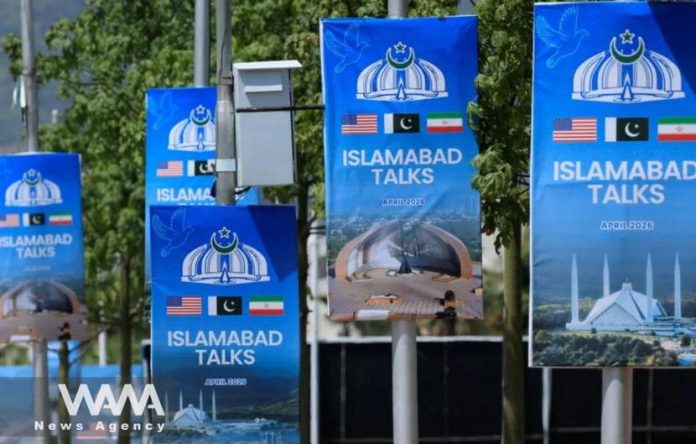

Five Reasons Behind Islamabad Talks Stalemate
The Islamabad talks stalemate has become a focal point in 2026 geopolitics as negotiations between Iran and the United States stall. The referenced article notes that Iran-US talks remain at the forefront of global geopolitics. The developments follow Pakistan-mediated talks in Islamabad earlier this month that concluded without a breakthrough.
With Pakistan playing a mediating role, the talks in Islamabad sought to bridge gaps on a range of issues. The absence of a breakthrough signals that parties remain far apart on core concerns, and that outside factors continue to influence the process.
Five Reasons Behind the Stalemate
The article highlights five reasons behind the stalemate. While the specifics are outlined in detail, the broader takeaway is that multiple factors intersect, including diplomatic posture, security considerations, and regional dynamics. Understanding these drivers helps explain why progress has been slow.
Key players include Iran and the United States, with Pakistan playing a mediation role. The talks occurred earlier this month in Islamabad, and the discussions ended without a breakthrough.
Context matters for regional stability. The stall affects regional geopolitics in 2026 and beyond, underscoring how Pakistan’s mediation is viewed as a stabilizing effort in a tense bilateral corridor.
Conclusion: The Islamabad talks stalemate underlines the need for patience and continued diplomacy to move Iran-US talks forward, with Islamabad remaining a hinge point for dialogue in 2026.