




Punjab traffic enforcement: CM Maryam Nawaz orders crackdown
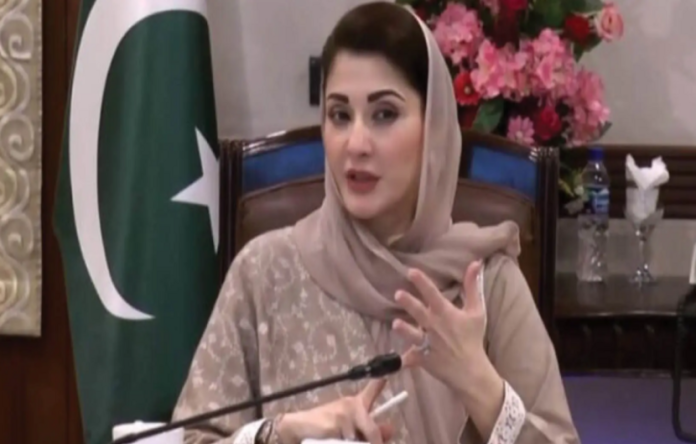
Punjab traffic enforcement is getting a renewed push as CM Maryam Nawaz Sharif directed authorities to ensure strict traffic rules across major cities and to introduce sustainable reforms for better traffic management. The move follows ongoing concerns about reckless driving, lane violations, and unsafe crossings on busy arteries. By outlining concrete steps—from improved policing to smarter road engineering—the government signals road safety will be a core public service, not a side issue.
What this means for Punjab
In a high-level meeting, CM Maryam Nawaz stressed accountability for traffic officers, the deployment of modern tools, and streamlined processes that reduce delays in issuing fines and notices. The plan includes installing speed cameras at high-risk junctions, upgrading traffic signals, refreshing signage, and conducting ongoing driver education campaigns. Officials say the reforms aim to be transparent, measurable, and inclusive, with community feedback channels to ensure residents feel heard and protected.
What residents can expect
For ordinary residents, the policy could translate into shorter commute times, fewer sudden stops, and safer streets for children, the elderly, and cyclists. While some worry about penalties, the government promises proportionate fines, clear guidelines, and public dashboards showing progress. The broader objective is a calmer, more predictable traffic ecosystem that supports work, schooling, and small businesses that depend on reliable travel.
Why it matters
Experts say Punjab’s crackdown could become a model for other provinces if backed by proper training and oversight. Maryam Nawaz’s focus on sustainable reforms links traffic law with urban planning, public transport, and last-mile connectivity. If enforced consistently and fairly, this initiative could reduce congestion, lower fuel waste, and improve air quality in busy corridors, delivering real daily benefits to Pakistanis.
Conclusion: The Punjab traffic enforcement push under CM Maryam Nawaz could deliver safer, smoother commutes and a model for other provinces to follow.