



Iran US tensions: Pakistan’s stake in 2026
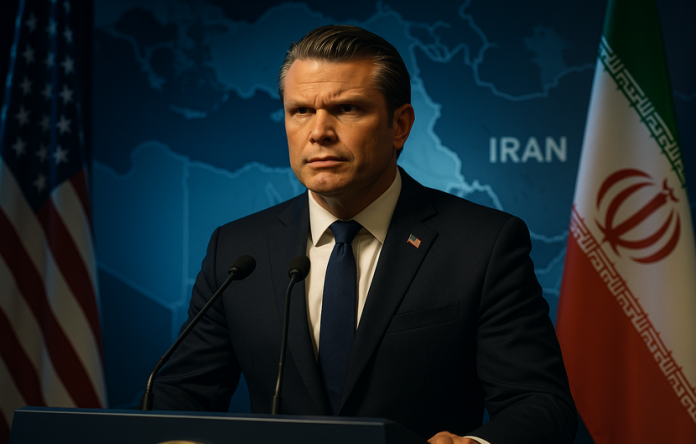
The recent coverage on Iran US tensions centers on a bold statement by US Defense Secretary Pete Hegseth. He argues that a strong, US-led approach keeps maximum pressure on Iran and helps avert broader conflict. The News International presents this as part of a long debate about sanctions, diplomacy, and regional security. For Pakistan, the topic matters more than many realize. When Washington talks Iran policy, the ripple effects reach Islamabad: security on our western border, energy prices, and the rhythm of regional diplomacy. Understanding Iran US tensions helps families connect distant headlines to daily life.
The Pakistan angle
Pakistan sits on a sensitive western flank. If US-Iran policy tightens, border controls, intelligence sharing, and cross-border movements can change quickly. Pakistan also depends on Gulf energy routes; any disruption translates into higher bills at home. The debate affects travel advisories, flight schedules, and investor confidence. The real question is how to avoid a wider confrontation that could hit ordinary Pakistanis relying on stable energy, predictable markets, and steady job prospects. Pakistan’s security forces and civilian agencies monitor developments closely.
What to watch in 2026
Officials urge staying updated through official briefings and trusted outlets. Families should discuss safety plans and keep emergency contacts handy. Businesses should hedge against price swings and keep supply chains flexible. Schools and communities can use this moment to educate youth about diplomacy and resilience, turning uncertainty into practical preparation. Local leaders can host Q&A sessions to explain regional risks and opportunities.
Bottom line: Iran US tensions will shape headlines and daily life in Pakistan. By staying informed and prepared, we turn global talk into local steps for resilience.