



Uranium Enrichment Explained: Iran’s Nuclear Bomb Timeline
For Pakistani readers, the debate over uranium enrichment is not distant jargon—it’s a regional security topic with real implications. This explainer, based on Al Jazeera reporting, breaks down what enrichment means, how quickly it could advance, and what it could mean for the Iran nuclear program and regional security.
What is uranium enrichment?
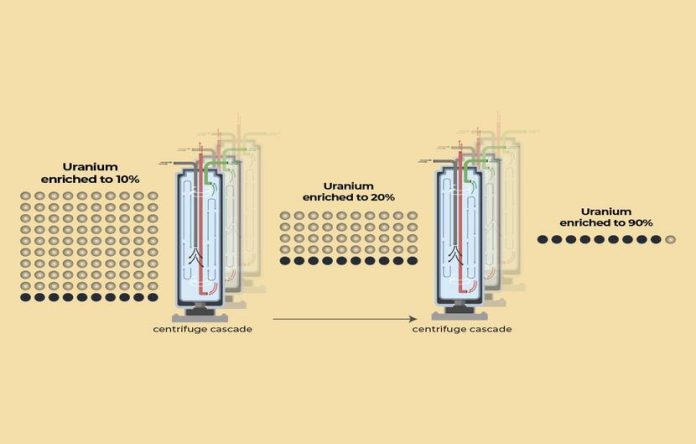
Uranium enrichment is the process of increasing the share of the fissile U-235 isotope in uranium. When enrichment moves toward higher levels—such as 60%—the material is closer to weapons-grade. While enrichment is technically complex, observers monitor its pace because it shapes how quickly a state could assemble a weapon and escalate regional tensions. The numbers cited in expert briefings, including stockpiles and processing capacity, influence international diplomacy and sanctions decisions.
Why this matters for Pakistan
Pakistan sits in a volatile neighborhood where Iran’s choices about its nuclear program can influence regional security and energy diplomacy. A rapid shift in enrichment levels could trigger diplomatic reactions, potentially alter global sanction regimes, and change deterrence calculations for South Asia. Mindful of these dynamics, Pakistanis closely follow updates that could affect energy routes, trade, and stability in nearby corridors.
Timeline and global responses
Experts vary on exact timelines, but significant acceleration in uranium enrichment could shorten the path to a possible nuclear bomb. International responses—ranging from IAEA inspections to new sanctions or diplomatic deals—often hinge on political signals, stockpile management, and verification mechanisms. The discussion around Iran’s nuclear program thus remains a live, evolving story with broad regional implications.
Conclusion: Understanding uranium enrichment helps Pakistan interpret evolving regional security dynamics and prepare for potential policy shifts surrounding the Iran nuclear program.