



Pakistan Auto Policy 2026: Tariff Cuts for Vehicles
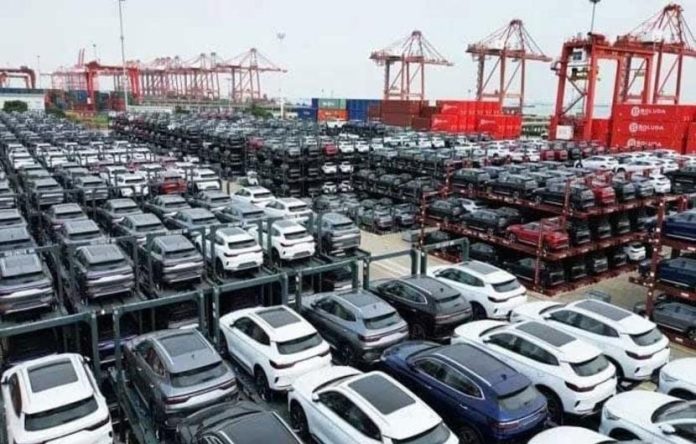
Pakistan is set to roll out a five-year Auto Sector Policy after reaching terms with the IMF, aiming to make imported vehicles more affordable while boosting local manufacturing and jobs. The policy is pitched as a bridge between consumer relief and long-term industrial modernization. Government officials argue that a phased tariff reduction will help families access safer, newer cars without fueling inflation, while inviting global automakers to invest in Pakistan, transfer technology, and strengthen local supply chains across the country.
What changes and why it matters
Under the plan, the weighted average tariff for imports of vehicles will drop from 10.6% to 7.4% over four years. This move is designed to ease price pressure on buyers, spur competition among brands, and encourage dealerships to offer attractive financing. The IMF-linked reforms push Pakistan to modernize its auto ecosystem, focusing on localization of parts, upskilling workers, and improving quality controls. By aligning duties with regional peers, the policy aims to reduce the total cost of ownership and accelerate market growth while protecting public finances.
Impact on buyers and the industry
For buyers, lower tariffs could translate into more choices and potentially lower monthly payments. For the industry, the policy signals a push toward EV readiness, better supply chains, and increased investment in local manufacturing. The reform is expected to create jobs and invite new entrants, even as regulators monitor prices to avoid sudden spikes during the transition.
- Better affordability and more model options for Pakistani consumers
- Richer local supply chains and job creation in manufacturing
Key milestones will include formal implementation dates, transition schedules, and consumer protections to prevent price shocks. Officials will provide tariff ladders and clear guidelines for local producers, ensuring a smooth shift for retailers, service networks, and customers.
In short, the Pakistan auto policy 2026 could reshape the market by reducing vehicle tariffs, boosting manufacturing, and supporting macro stability through IMF reforms.