



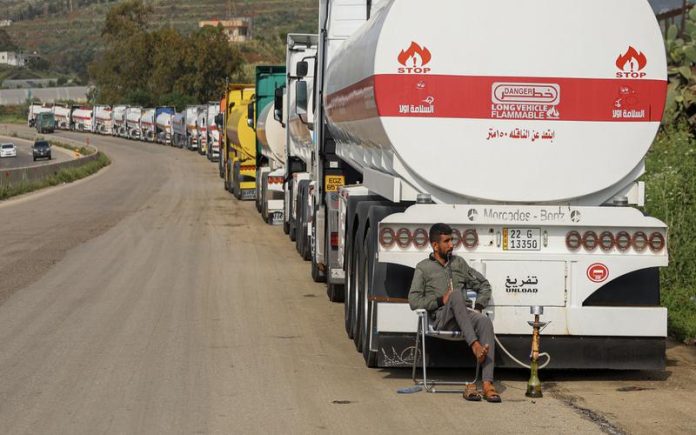

Oil Prices Jump as Hormuz Tensions Return
What sparked the jump
Global oil markets swung higher on Sunday evening after renewed U.S.-Iran tensions around the Strait of Hormuz renewed concerns about supply disruption. U.S. crude moved above 90 dollars per barrel, while Brent hovered near that level as traders priced in heightened risk.
Impact for Pakistan
Traders reacted swiftly, sending stock futures lower as energy markets absorbed the headlines. The NBC report noted U.S. crude thumping to roughly $90, with international prices tracking closely. The price action reflected worries about potential limits on supply from the Middle East.
For Pakistan, the spillover could mean higher import bills, inflation pressure, and a squeeze on energy subsidies. Local fuel costs tend to track international crude, so pump prices and power tariffs may edge up in the coming weeks, widening the burden on households.
What to watch next
Analysts say investors will monitor developments in Hormuz, together with any OPEC+ signals and U.S. policy moves. If tensions ease, a quick retreat could calm prices; if risk persists, volatility may stay elevated, shaping energy budgets for households and businesses.
Practical steps for families
Meanwhile, Pakistani consumers can cushion the impact by prioritizing fuel-efficient transport, planning trips, and saving on electricity where possible. Officials may tweak subsidies or tariffs; staying informed through credible outlets helps families plan budgets and avoid sudden shocks these days.
Policy & Budget considerations
Pakistan’s energy sector will watch closely and adapt as prices move. If crude stays near high levels, policymakers may reiterate pricing strategies and energy conservation campaigns. For readers, practical steps like carpooling and using public transport remain sensible, immediate cost-saving measures.
Join the conversation
Stay tuned for updates on how Hormuz tensions unfold and what they mean for Pakistan’s fuel and inflation landscape. Share your thoughts below on how households are adapting to energy price changes, and follow us for practical, timely Pakistan-focused coverage.