




Pakistan Army Chief in Tehran: Islamabad’s Push for Renewed US-Iran Talks
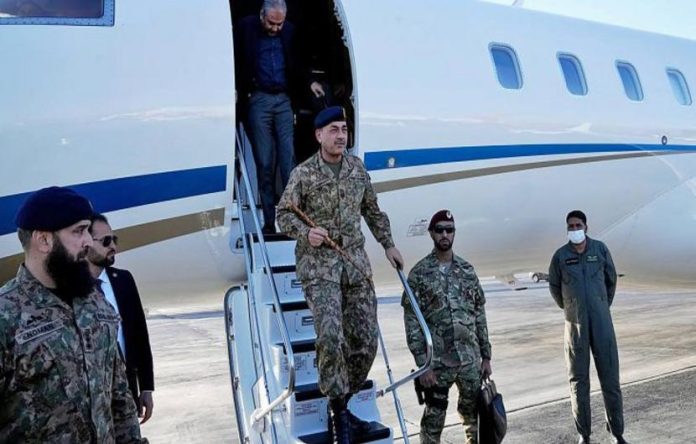
Pakistan’s army chief, Field Marshal Asim Munir, arrived in Tehran to push for a fresh round of negotiations between Iran and the United States. Islamabad’s diplomacy signals a broader effort to stabilise a volatile Gulf and safeguard energy and trade routes vital to Pakistan.
Leading the delegation, Munir met Iranian Foreign Minister Abbas Araghchi and other officials, a sign that Pakistan is willing to play a constructive mediator role. The purpose is to narrow gaps and set the stage for a possible restart of talks between Tehran and Washington.
With the ceasefire in the region under strain, Islamabad is keen on securing an extended pause that could allow more time for diplomats to bridge differences on Iran’s nuclear questions and the Strait of Hormuz. A renewed dialogue could stabilise markets and reassure allies.
Pakistan’s leadership in Islamabad has signalled a policy of active regional engagement, visible during Shehbaz Sharif’s Gulf outreach. If Tehran and Washington can talk seriously again, Gulf partners such as Saudi Arabia and the UAE may find new room for cooperative security and economic collaboration.
The mission also highlights Pakistan’s growing diplomatic clout, as it balances Western calls for stable security with the realities of a tense Middle East. Islamabad’s ability to coordinate between Washington, Tehran and regional players could shape future security arrangements and energy shipments.
For Pakistan’s economy, predictable energy flows and calmer shipping lanes could ease import costs and stabilise reserves. While these talks are only a step, they reflect a strategic pivot: Islamabad leveraging its geographic position to promote peace, reduce volatility and reassure foreign investors.
As the Tehran visit unfolds, Pakistan remains a quiet pivot in a dangerous region. Watch for an extended ceasefire, renewed talks in the days ahead, and Islamabad’s messaging on steering diplomacy while protecting Pakistan’s economy and regional credibility and standing.