



Pakistan Army Chief in Tehran: Advancing Fresh US-Iran Talks
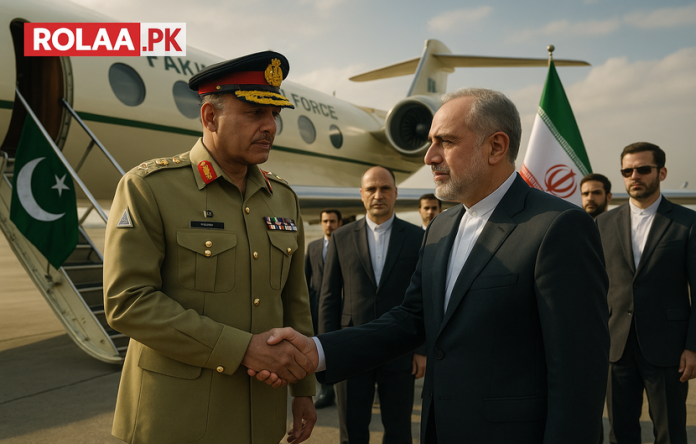
In mid-April 2026, a high-level Pakistani delegation led by Army Chief Asim Munir arrived in Tehran to press for a renewal of talks between Iran and the United States. The mission aims to extend a fragile ceasefire and prevent spillovers into South Asia.
Islamabad has long positioned itself as a trusted mediator in a volatile region, and Munir’s arrival underscores the perceived value of Pakistan’s diplomacy. The delegation is expected to carry messages from Washington and coordinate a potential second round of talks.
Iran’s Foreign Minister Abbas Araghchi greeted the Pakistani team, signaling Tehran’s openness to dialogue. The talks come as US-Israeli and Iranian tensions persist, with regional powers watching for a path that could ease energy-market volatility and reduce threats to regional stability.
Analysts say the Tehran trip could shape the timing and venue of future negotiations. Islamabad’s push follows weeks of backchannel diplomacy, and officials hope renewed dialogue may slow escalation that could threaten Pakistan’s economy and its fragile energy security.
Economically, Pakistan faces pressure from rising oil costs and inflation tied to Middle East conflict. Any stabilization in Iran-US talks could improve global oil flows, potentially easing import bills and smoothing prices at the pump, which would help households and small businesses across urban and rural Pakistan.
Public sentiment in Pakistan is hopeful but cautious. Citizens crave stability after months of fuel-price spikes and mixed policy moves. If mediation yields tangible steps, transport fares and consumer prices could ease in the coming weeks, providing relief for daily wagers and shopkeepers.
What to watch next is clear: official briefings on a possible second round of Iran-US talks, Islamabad’s ongoing diplomatic outreach, and signs of genuine progress on energy cooperation. The timing and scale of any deal will determine how quickly Pakistan feels relief.
Bottom line: Pakistan’s leadership has positioned itself as a credible broker in a dangerous region. The Tehran visit marks a pivotal moment for regional diplomacy, with broad repercussions for security, trade, and energy security across Pakistan in 2026.