



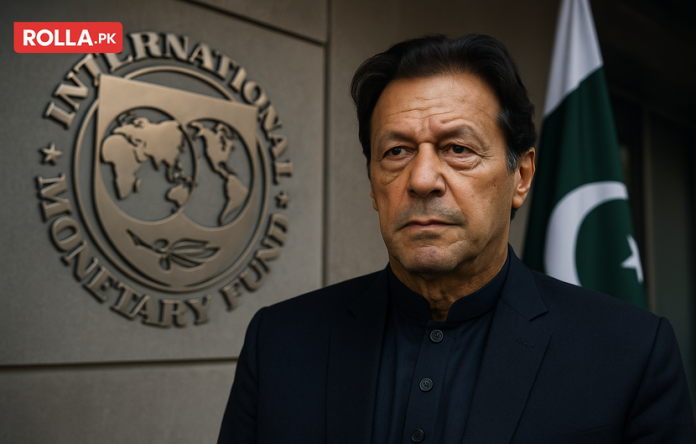

IMF Holds Pakistan’s Growth at 3.6% for FY26: What It Means for You
Pakistan’s economy received a fresh signal from the IMF as the World Economic Outlook for 2026 keeps the country’s growth at 3.6% for FY26. This outlook matters for households, traders, and job seekers across Punjab, Sindh, and beyond, shaping budgets and planning for the year ahead.
Officials had hoped for a higher target, but the IMF notes that global risks, including energy costs and geopolitical tensions, keep the path to the official 4.2% goal uncertain. For Pakistan, 3.6% signals stability, while inflation remains a daily concern for households.
What does this mean for your monthly budget? A stable growth pace helps the rupee settle and prices stop jumping wildly, but the IMF also flags higher inflation in the coming year. For Pakistan, the 3.6% figure signals stability, while inflation remains a daily concern for households.
Businesses and workers will watch policy signals closely. If reforms bring faster investment and predictable energy costs, new jobs may emerge in export-oriented sectors. Still, external shocks could tighten credit and push costs higher, especially for commuters, shoppers, and small traders.
Practical steps for families: track utility bills, compare fuel prices, and use energy-saving appliances. Build a small emergency fund so sudden price shifts do not derail plans. Teach kids about budgeting, avoid unnecessary debt, and keep a weekly check on household expenses.
Investors and policymakers will be watching official data releases and reforms. If Pakistan maintains macro discipline and supports exports, growth could pick up in the medium term. For readers, the key takeaway is to stay informed and adapt your plans accordingly.
Keep an eye on credible sources and official statements. A steady 3.6% FY26 forecast offers room for cautious optimism, but family budgets still need care. We will bring clear updates as Pakistan’s economy navigates these global challenges together.