



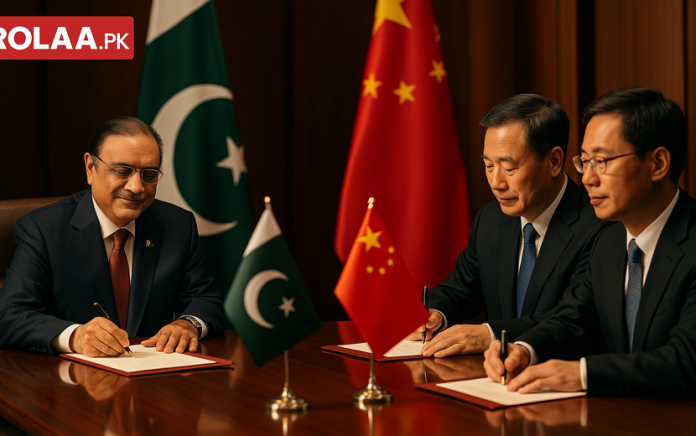

Pakistan-China MoUs Progress: A Step Forward Under Presidential Briefing
President Asif Ali Zardari chaired a briefing in Islamabad to review the status of Pakistan-China MoUs signed during his recent visits to China. The meeting emphasized timely implementation, stronger coordination, and tangible outcomes across key sectors, underscoring a shared commitment to progress and stability.
Observers say the MoUs cover energy, infrastructure, trade, and education, promising jobs and quicker development for ordinary Pakistanis. By aligning projects with a clear timeline, officials hope to translate announcements into improved power supply, better roads, enhanced trade, and new opportunities for students and workers.
Officials stressed coordinated monitoring and accountability to prevent delays and ensure asset delivery. The aim is to build trust with investors, accelerate collaboration with China, and keep citizens informed about progress on projects such as energy grids, transport links, and industrial parks.
Analysts expect these steps to bolster macro growth while supporting households facing high energy and transport costs. If the reforms stay on track, Pakistan could see steadier power, better connectivity, and more export opportunities, reinforcing a long-standing strategic friendship with China.
Citizens looking for relief in daily life might not feel the full impact immediately, but steady progress can translate into affordable electricity, cheaper travel, and new job openings. The briefing signals government readiness to translate diplomacy into real gains for people today.
Local businesses and contractors will be watching closely for clear procurement rules and transparent tendering. If the MoUs are applied with discipline, Pakistan could see smoother implementation, fewer bottlenecks, and a recognizable push toward development that resonates with voters looking for practical results.
Stay with us for more updates on how Pakistan and China move from conversations to concrete projects. The next few months will show whether these MoUs translate into the changes people hoped for, from power lines to new jobs and stronger regional cooperation.