



Pakistan in Focus as Iran-Russia Talks Signal New Regional Stability Play
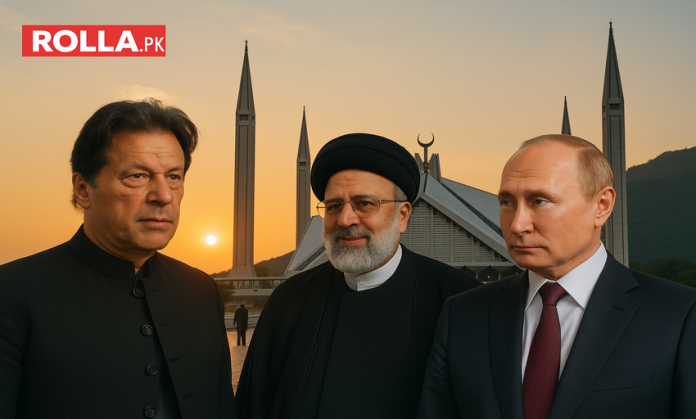
News from Tehran and Moscow underscores how Pakistan sits at the crossroads of regional power plays. Iranian President Masoud Pezeshkian spoke with Russian President Vladimir Putin by phone on Sunday about the latest regional developments, following the collapse of US-Iran peace talks in Islamabad.
Putin’s message was clear: Russia remains ready to help mediate a just and lasting peace in the Middle East and to review the status of any ceasefire. The conversation focused on the evolving regional balance, with Moscow emphasizing diplomacy over confrontation as tensions linger in key flashpoints.
For Pakistan, Islamabad’s hosting of diplomatic talks magnifies the implications. A stable regional order could ease cross-border security concerns, affect energy transit routes, and shape Islamabad’s own diplomacy with Washington, Riyadh, and Beijing. Any shift in Iran’s or Russia’s posture matters to Pakistan’s planners and people.
Pezeshkian signaled Iran’s willingness to negotiate a broader settlement while criticising what Tehran calls US unilateralism. The tone suggests Iran’s frustration with stalled talks but also a readiness to engage if Western terms align with its security and economic priorities. The region’s future remains tightly tied to Tehran’s calculus.
Analysts in Pakistan say the Islamabad context makes any external push toward talks more relevant locally. If Tehran and Moscow translate their discussions into concrete outreach, Pakistan could see slower border tensions and a clearer path for humanitarian and trade corridors through Gwadar and the broader Balochistan region.
Yet challenges remain. The US role, sanctions dynamics, and regional rivalries could complicate any peace roadmap. Pakistan will watch how the three players manage messages, timing, and confidence-building steps. A patient, multi-track approach may offer the best chance to curb renewed tensions.
The Pakistani public is keen on stability and affordable energy. Any easing of regional confrontation could help lower oil prices, reduce inflationary pressures, and stabilize exchange rates. Citizens hope diplomatic moves translate into practical benefits like job security, cheaper fuel, and fewer security incidents.
Pakistan can seize the moment by promoting dialogue channels, supporting humanitarian arrangements, and keeping Parliament and civil society informed. A balanced stance – engaging with all sides while defending national interests – would help Pakistan emerge as a constructive voice in a fragile regional balance.
Bottom line: Islamabad’s emphasis on regional dialogue stays vital. As Iran, Russia, and others recalibrate, Pakistan should stay engaged, watchful, and ready to facilitate practical steps that protect livelihoods without compromising security. The coming weeks could reveal which path leads to durable peace.
Source: ANI News