



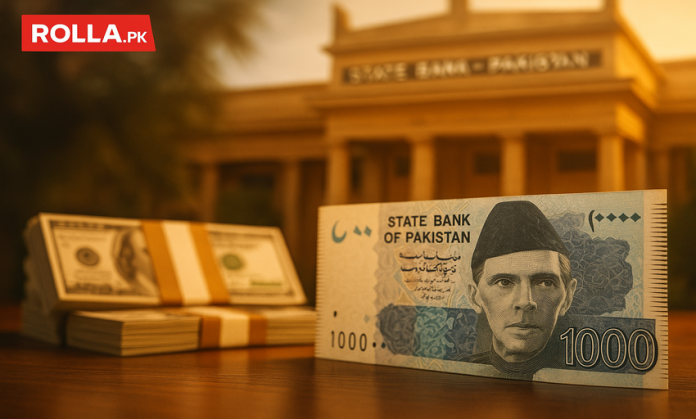

SBP Reserves Rise: What It Means for Pakistan’s Rupee
Pakistan’s central bank released the latest weekly data showing a modest rise in foreign exchange reserves, lifting the State Bank of Pakistan’s (SBP) stock to $16.4 billion. This is not a fireworks moment, but it creates a welcome buffer against external shocks and supports macro stability.
Impact on Markets
Analysts say the move matters more for confidence than for immediate payments, yet it signals that Pakistan is managing its external position with careful policy, patience, and some ongoing inflows. The uptick helps calm nerves in currency and debt markets that watch every data release.
On the rupee front, the interbank rate edged lower as markets absorbed the reserve news, closing around 279 per USD. The small movement keeps price pressures in check for now, though traders warn that a weak global backdrop can still test the currency.
What It Means for Households
Total liquid reserves, including commercial banks, sit near $21.89 billion. This combined figure provides a broader cushion for imports and debt repayments, reinforcing a sense of short-term stability amid external volatility and shifting risk appetite among global lenders and investors.
Still, the experts caution that the reserve rise is a week-to-week change and should be interpreted in context. Pakistan continues to rely on external financing, policy support, and careful macro management to prevent vulnerabilities from slipping back if energy prices rise or global conditions worsen.
Policy and Outlook
Public prices and inflation expectations can ride on currency moves, so households look for signals that the government can shield them from sharp shocks. A modest reserve uptick can translate into calmer markets, calmer shoppers, and steadier monthly budgets for many families.
Policy makers emphasize that reserve management is a balancing act. They must attract inflows while guarding against overheating inflation and fiscal strain. The latest data release underscores ongoing efforts to stabilize external financing conditions, which in turn supports growth, jobs, and business confidence across Pakistan.
Beyond Borders
Businesses and farmers watch the exchange rate not only for today’s costs but for planning ahead. A steadier rupee reduces import costs for essential goods, lowers signal uncertainty, and makes it easier for exporters to lock in reasonable futures in a volatile global market.
Meanwhile, gold and commodity prices respond to dollar strength and risk appetite. Locally, gold prices have fallen, while international markets show mixed signals. For everyday Pakistanis, the important takeaway is that a stable reserve position can help keep inflation expectations anchored.
Looking Ahead
Government communications will need to translate this data into tangible benefits, such as lower borrowing costs, stable fuel prices, and predictable tariffs. The message should balance realism with optimism, reminding citizens that external conditions remain imperfect yet manageable with steadfast policy and international support.
Overall, the week’s reserve uptick is a positive headline, but not a miracle cure. It offers breathing room to policymakers, time to shore up external financing, and space for targeted reforms that could improve growth and stability in the months ahead. The journey remains ongoing.
To summarise, the reserve uptick is a signal—positive, but not a guarantee. It buys time for reforms, supports imports, and keeps financial conditions comfortable enough for investors to stay the course, while Pakistan tackles energy, inflation, and growth challenges with steady hands.
Source: The Express Tribune (April 10, 2026)