



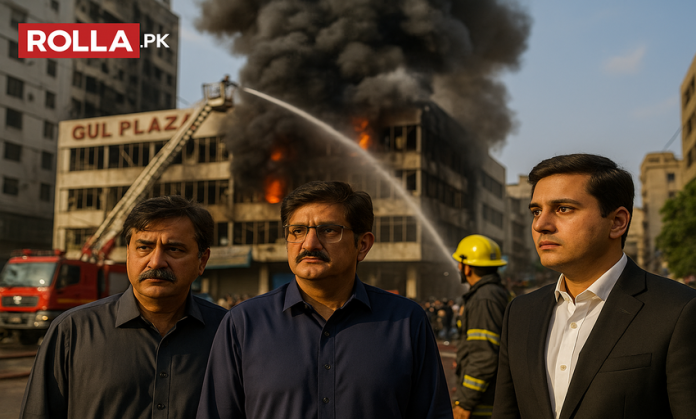

Gul Plaza Fire: Sindh Govt Forms Panel to Fix Accountability
Karachi’s Gul Plaza tragedy on January 17 jolted authorities into action. On April 9, 2026, the Sindh cabinet reviewed the Judicial Commission’s report and announced a ministerial committee to examine findings and push for concrete reforms. The move signals a shift from blame games to tangible accountability.
The report highlighted critical lapses. It said the firefighting system at Gul Plaza was not functional, alarms and evacuation procedures were inadequate, and there were delays in alerting the fire brigade. These gaps worsened the disaster and raised concerns about safety standards in busy commercial spaces across the city. The tragedy underscored how crowded markets and malls can turn dangerous quickly when safety systems fail.
What the government is doing
A high-level panel, including senior ministers Sharjeel Inam Memon, Nasir Hussain Shah, Saeed Ghani, and Ziaul Hassan Lanjar, was formed to oversee implementation of the inquiry’s recommendations. The panel will coordinate with Karachi’s administration to translate findings into policy, enforcement, and safer practices for urban governance. Officials hope this helps boost accountability at the provincial level and improves coordination between departments.
In addition to accountability measures, the cabinet approved relief for victims and families—a Rs10 million package—and signaled a broader rehabilitation and rebuilding plan for Gul Plaza. The package will help families cover medical costs, lost income, and temporary housing as the city begins reconstruction. There are plans for a formal fact-finding or judicial inquiry to determine the blaze’s origin and responsibility, ensuring transparency and learning for future safety standards.
Why this matters for Pakistan
Swift reforms and clear accountability help restore public trust. For a city like Karachi, where commercial hubs are critical to livelihoods, stronger fire-safety oversight can prevent future tragedies and speed up relief for those affected. The changes may also push private building owners to invest more in safety equipment and drills, reducing risk for workers and shoppers alike.
Experts say this approach—linking inquiry findings to policy actions—sets a precedent for better governance in Sindh and beyond. The public expects results: safer buildings, faster relief, and accountable officials. Civil society groups say performance must be measurable, with regular audits and published progress updates.
With ongoing pressure on urban safety, this move could push authorities to improve enforcement, regular drills, updated emergency protocols, and stricter inspections across the province. If implemented well, Karachi could become a case study in turning tragedy into lasting safety reform.
Source: Associated Press of Pakistan (APP) — CM reviews Gul Plaza fire report, forms committee to fix accountability.