




IRSA 15% Kharif Shortfall: What It Means for Pakistan’s Farmers
Pakistan is facing a tighter water window for the Kharif season as IRSA has approved a 15 percent system shortfall for Early Kharif and a 5 percent shortfall for Late Kharif. The overall allocation across provinces stands at 67.451 million acre feet of water. The decision was taken at the IRSA Advisory Committee meeting chaired by IRSA Chairman Amjad Saeed to finalize water availability criteria for Kharif 2026 from April to September. The committee also outlined Rim Station inflows totaling 103.30 MAF, with 24.48 MAF assigned to Early Kharif and 78.81 MAF for Late Kharif. In simple terms, the coming months will be tighter for irrigation than last year.
The decision comes at a time when Tarbela storage is under pressure. Live storage has been dipping due to sedimentation, and WAPDA has been asked to submit a mitigation plan. The government also noted that the T4 hydropower project is likely to come online after May 7, 2026, which could help balance releases later in the year. Weather authorities from PMD forecast rainfall from April to June to be normal to above normal in many areas, adding a layer of unpredictability to planning and operations for farmers and irrigation managers alike.
Key numbers give a quick snapshot of the scale of the challenge. Early Kharif shortfall is set at 15 percent, with Late Kharif shortfall at 5 percent. Provincial allocations total 67.451 MAF, distributed as Punjab 33.357 MAF, Sindh 30.403 MAF, Khyber Pakhtunkhwa CRBC 0.823 MAF, and Balochistan 2.868 MAF. Rim-inflow estimates stand at 103.30 MAF, split into 24.48 MAF for Early Kharif and 78.81 MAF for Late Kharif. Tarbela live storage around 2.3 to 2.6 MAF in recent periods, with the March 2026 figure near 2.307 MAF, underscoring long term erosion of reservoir capacity. The April to June rainfall forecast remains normal to above normal, which could help replenish canals, but will not erase the immediate shortfall in grain and cash crops if allocations are not managed carefully.
What this means for farmers
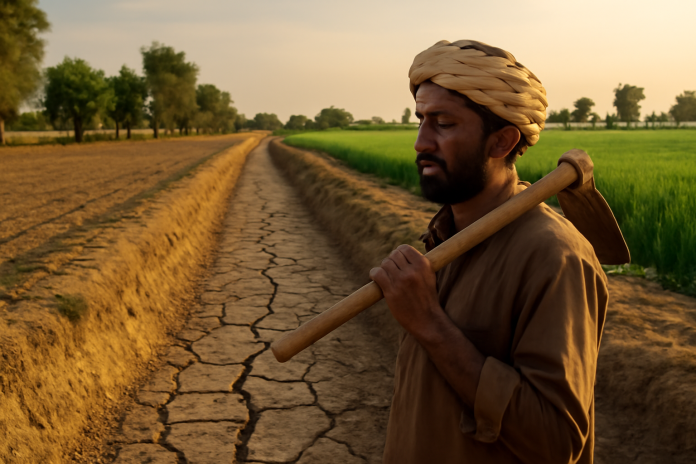
The 15 percent shortfall for Early Kharif tightens water availability for spring sowing and early crop growth. In practice, farmers may face delayed irrigation, reduced soil moisture at critical growth stages, and higher costs as they seek alternative water sources or more intensive irrigation scheduling. The impact will likely be felt more in districts heavily dependent on canal water and in areas where outages coincide with crucial growth stages of crops like rice and cotton. In Punjab and Sindh, where the bulk of irrigation water is allocated, the effect will be tangible and may influence planting choices, yield potential, and input decisions for the coming season.
Regional differences matter here. Punjab has the largest share of the water pie, followed closely by Sindh, but both will experience pressure as early Kharif demands rise while supply remains constrained. The situation underscores the need for careful planning at the farm level, at canal headworks, and within provincial irrigation departments to minimize losses and optimize use of every drop.
What leaders and plan mean for planning and risk
The notes from IRSA and its partners emphasize flexibility. The first week of May 2026 will bring a reappraisal of inflows and reservoir dynamics, offering a potential window to adjust releases and allocations if conditions permit. The sedimentation in Tarbela presents a longer term risk to water security, reinforcing the case for accelerating mitigation measures and considering reservoir management strategies that balance power generation with irrigation needs. The PMD forecast of normal to above normal rainfall is a relief in some ways, but it does not automatically translate into easier irrigation planning. Weather patterns can still deliver seasonal spikes and localized droughts, so readiness remains key for farmers and water managers alike.
What can be done now
- Adopt water saving practices on the farm. Drip irrigation and efficient sprinkler systems can dramatically reduce losses compared with flood irrigation.
- Improve scheduling. Use soil moisture data and weather forecasts to time irrigation precisely when crops need water, avoiding waste.
- Plan cropping patterns with water in mind. Where possible, choose varieties and timing that align with expected water availability and release schedules.
- Protect existing water by reducing leaks and improving canal discipline at field-level gates and distribution points.
- Engage with local extension services and farmer groups to share best practices and to obtain timely updates on IRSA decisions and reservoir management plans.
- Consider rainwater harvesting where feasible and storing water during periods of higher availability for use during critical growth stages.
In the broader picture, the IRSA decision is a reminder of how water security affects daily life in Pakistan. Farmers, traders, and households alike will feel the ripple effects of a shorter supply window in the Kharif season. The government and irrigation authorities can help by communicating clearly, updating release plans in a timely manner, and investing in infrastructure that improves resilience against sedimentation and drought.
Bottom line, this is a moment to act with planning and prudence. The 15 percent Early Kharif shortfall is not just a statistic; it translates into real choices for sowing, crop mix, and livelihoods. By combining better irrigation technology, smarter crop planning, and close monitoring of IRSA and PMD updates, Pakistan can navigate the coming months with greater resilience and protect farmer incomes in a challenging year.